Lewa is where Kenya's conservation story finds its finest expression — a rolling highland landscape of open grassland and scattered acacia at the foot of Mount Kenya's snow-capped peaks, protecting more black rhino than almost anywhere else in East Africa and the largest single population of endangered Grevy's zebra on the planet. Intimate, uncrowded and profoundly purposeful, this is safari at its most meaningful.
Covering 250 square kilometres on the northern Laikipia Plateau, Lewa Wildlife Conservancy sits between Mount Kenya's forests and the semi-arid plains to the north. Originally a cattle ranch called Lewa Downs, it was transformed into a rhino sanctuary in the 1980s and formally established as a not-for-profit wildlife conservancy in 1995. In 2013, Lewa and the adjacent Ngare Ndare Forest were inscribed as a UNESCO World Heritage Site as part of the Mount Kenya ecosystem — the only conservancy in Kenya to hold the distinction. Today Lewa protects over 12% of Kenya's black rhino population, the Big Five, all of the northern "specials" — reticulated giraffe, Beisa oryx, gerenuk and Somali ostrich — and over 400 bird species across a landscape that has been IUCN Green Listed for excellence in protected area management.
Hover over a month to discover what awaits


Lewa is one of Africa's most successful rhino sanctuaries. Protecting over 12% of Kenya's critically endangered black rhino population alongside southern white rhinos, the conservancy offers some of the most reliable and intimate rhino encounters anywhere on the continent — often on the open grasslands with Mount Kenya as the backdrop.
The conservancy is home to the world's largest single population of endangered Grevy's zebra — approximately 350 individuals. Watching these elegant, narrow-striped zebra graze alongside common plains zebra is a sight unique to northern Kenya, and Lewa has been instrumental in restoring their numbers through dedicated monitoring and translocation programmes.
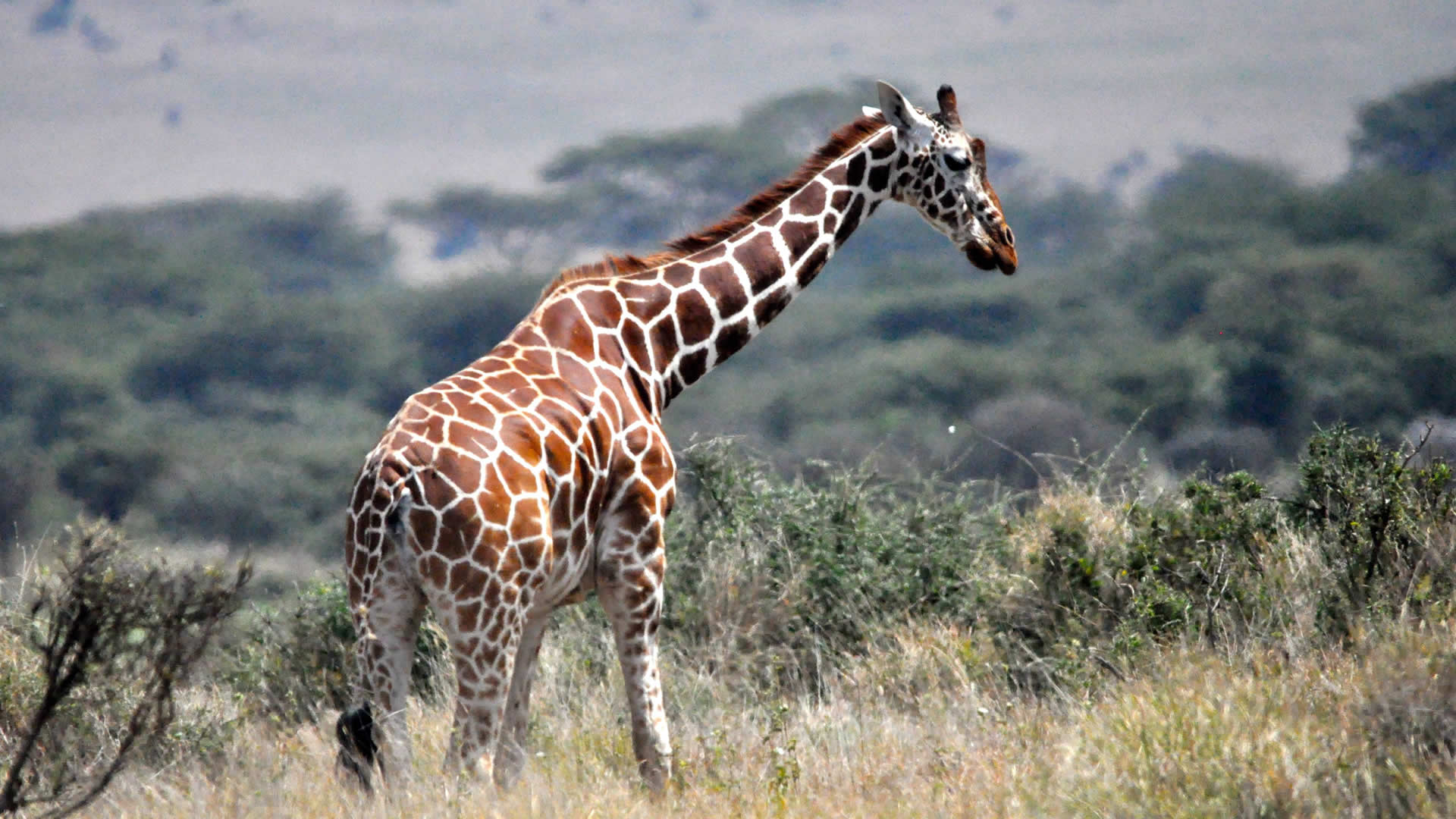
All of the Big Five are present, complemented by the full set of northern "specials" — reticulated giraffe, Beisa oryx, gerenuk and Somali ostrich. Lion and cheetah thrive on the open plains, and occasional sightings of African wild dog add an element of genuine excitement to every game drive.
Lewa is a UNESCO World Heritage Site — the only conservancy in Kenya to hold the distinction. Inscribed as part of the Mount Kenya ecosystem in 2013 and IUCN Green Listed for management excellence, it represents the gold standard of private conservation in East Africa.
The annual Lewa Safari Marathon — held each June — is one of the world's most famous conservation running events. Participants run a full or half marathon through the conservancy alongside wildlife, raising vital funds for conservation and community programmes. It has been named one of the world's ten "must-do" marathons.
Beyond the game drive, Lewa offers walking safaris with armed guides, horseback rides through rhino territory, camel treks, night drives and behind-the-scenes conservation experiences. With only five intimate lodges on the entire conservancy, game drives are private, unhurried and almost always without another vehicle in sight.
Lewa is a year-round destination, with stable highland temperatures and resident wildlife populations that deliver outstanding sightings in every season.
The dry months — June through September and January to March — offer the finest game viewing, with short grass, concentrated water sources and exceptional rhino and big cat encounters against the dramatic backdrop of Mount Kenya.
The green season from April to May transforms the conservancy into a wildflower-carpeted paradise. Birdlife soars, visitor numbers drop to near zero, and the intimate lodge experience feels entirely exclusive. The annual Lewa Safari Marathon in late June adds a unique dimension for active travellers.
Daily scheduled flights from Nairobi's Wilson Airport reach Lewa Downs airstrip in approximately one hour, with stunning aerial views of Mount Kenya en route. AirKenya and Safarilink operate regular services, and charter flights connect Lewa directly to the Maasai Mara, Samburu and the coast.
The overland drive from Nairobi takes 4–5 hours via the Thika Superhighway through Nanyuki and Timau — a scenic journey through the central highlands with Mount Kenya growing ever-larger on the horizon.
Lewa connects seamlessly with neighbouring Borana Conservancy — the boundary fence was removed to create a single contiguous landscape — and pairs naturally with Ol Pejeta, Samburu or Meru for a compelling northern Kenya safari circuit.

Lewa offers something rare in today's safari world — genuine exclusivity without pretence. With only five lodges on 250 square kilometres, you share the conservancy with very few other visitors. The wildlife is outstanding — rhino encounters on open grasslands, Grevy's zebra herds unlike anything in the south, big cats on the hunt — all set against the towering silhouette of Mount Kenya. It is a landscape that earns its UNESCO status with every sunrise.

Saddle up for a horseback ride through rhino territory — Lewa is one of the few places in Kenya where you can ride alongside critically endangered black rhino. Walk the bush with armed Samburu guides on a guided walking safari. Take a camel trek across the open plains. Join a night drive to spot aardvark, bushbaby and civet. Or time your visit for the Lewa Safari Marathon in June and run a half or full marathon through the African wilderness.

Lewa proves that conservation, community and tourism can work in harmony. Every night spent in the conservancy funds ranger patrols, rhino monitoring, 21 local schools and community healthcare programmes. The conservancy's connection to Borana creates a vast, fence-free landscape, and its position between Mount Kenya and the Laikipia plateau makes it a natural hub for northern Kenya circuits — linking seamlessly to Ol Pejeta, Samburu or Meru.

Kenya's most celebrated reserve — world-class big cat sightings, the Great Migration river crossings, and endless golden savannahs.
Explore →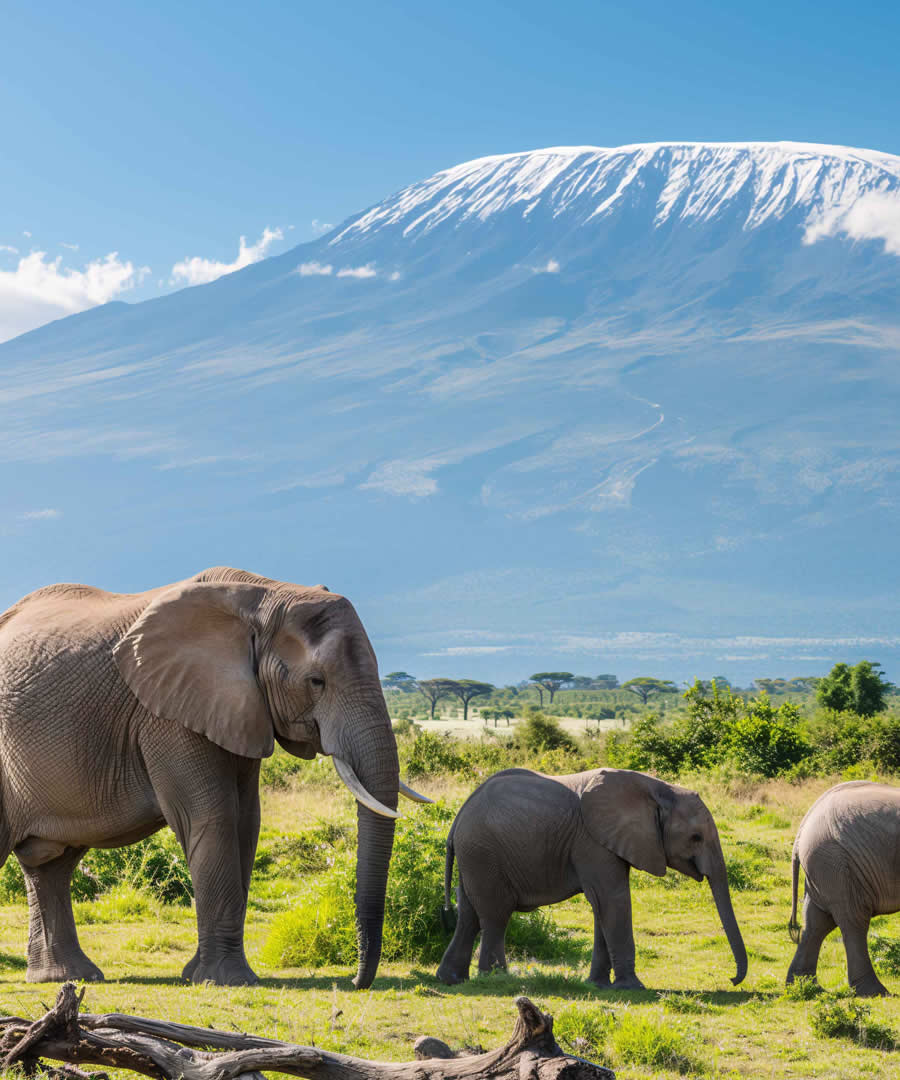
Iconic views of Mount Kilimanjaro towering above vast elephant herds make Amboseli one of Kenya's most photogenic safari destinations.
Explore →
A rugged northern frontier where the rare Samburu Special Five — reticulated giraffe, Grevy's zebra, Beisa oryx, Somali ostrich and gerenuk — roam wild.
Explore →
A Rift Valley gem famous for flamingo-fringed shores, rhino conservation, and prolific birdlife in a compact and rewarding setting.
Explore →
East Africa's largest black rhino sanctuary and home to the last two northern white rhinos on earth — a conservation stronghold.
Explore →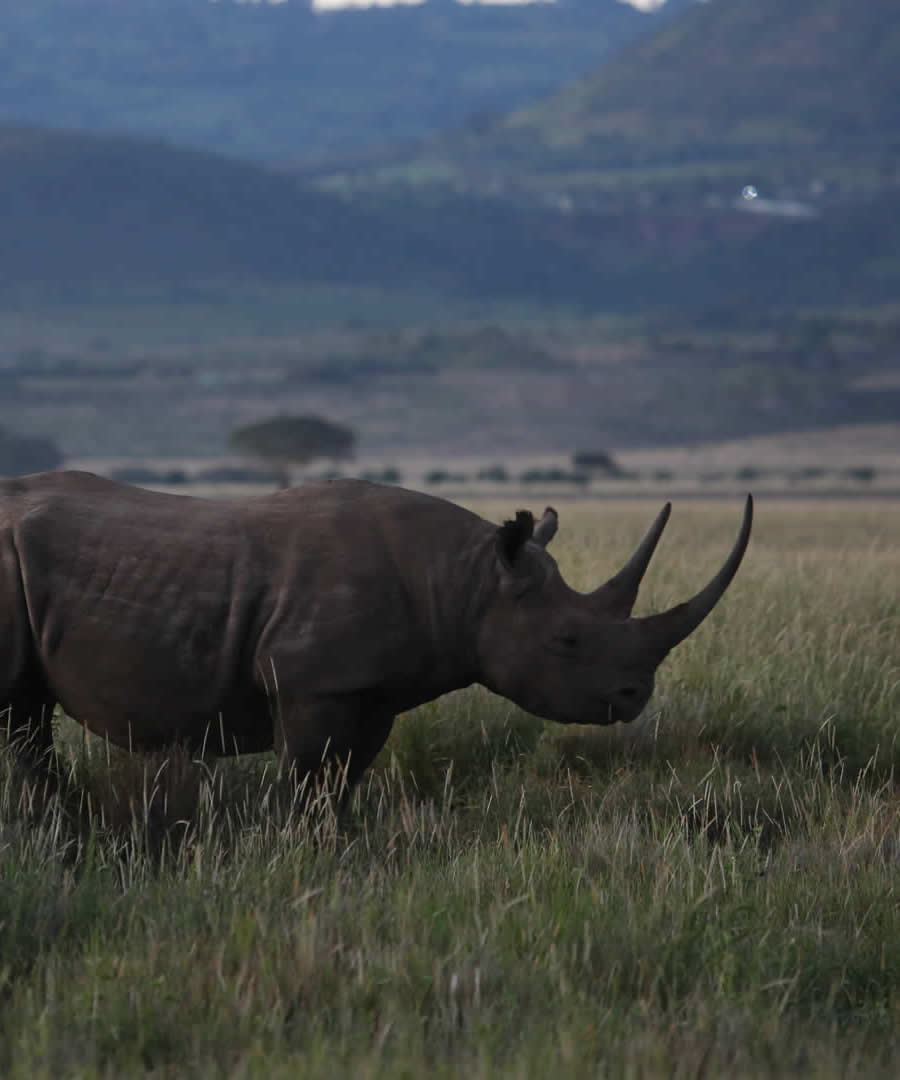
A UNESCO World Heritage Site and pioneering rhino sanctuary set against the dramatic backdrop of Mount Kenya's northern slopes.
Explore →
Vast red-earth plains, the Galana River, and herds of dust-red elephants make Tsavo East one of Kenya's wildest and most expansive parks.
Explore →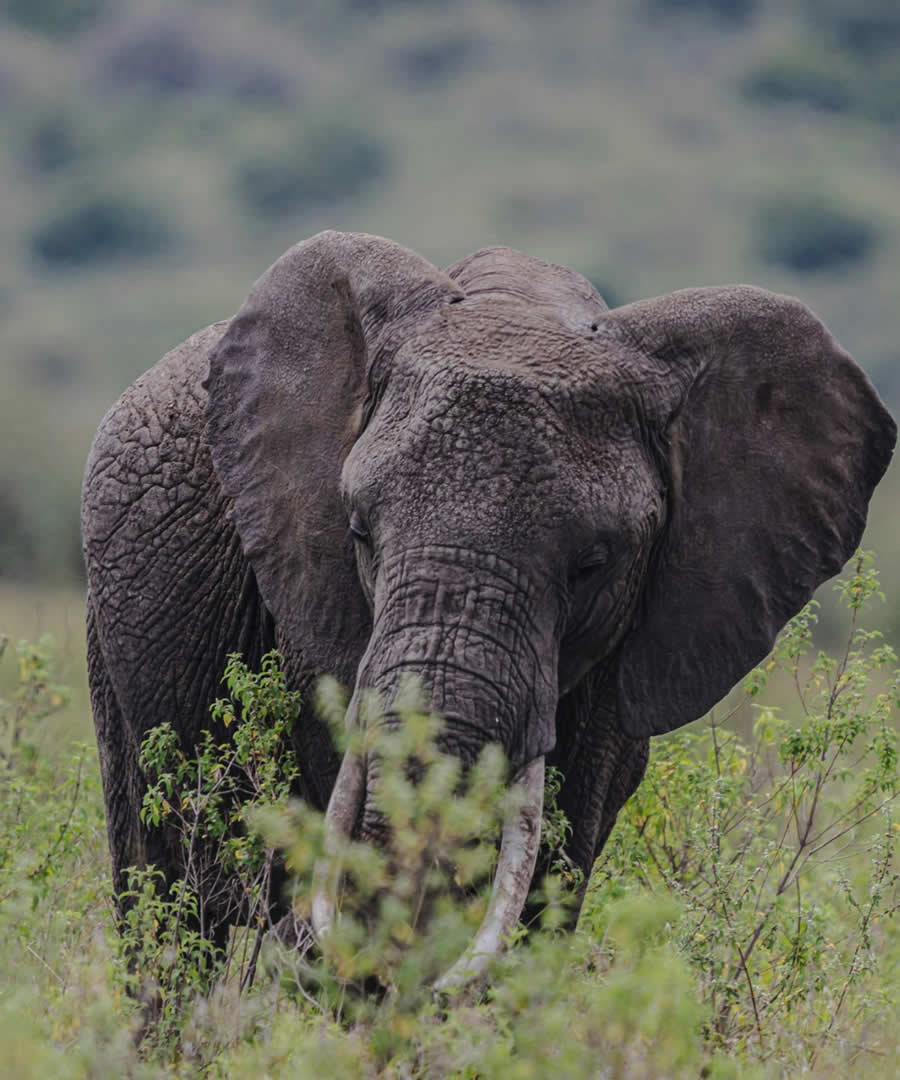
Dramatic volcanic landscapes, the crystal-clear Mzima Springs, and rich wildlife diversity in a rugged, mountainous setting.
Explore →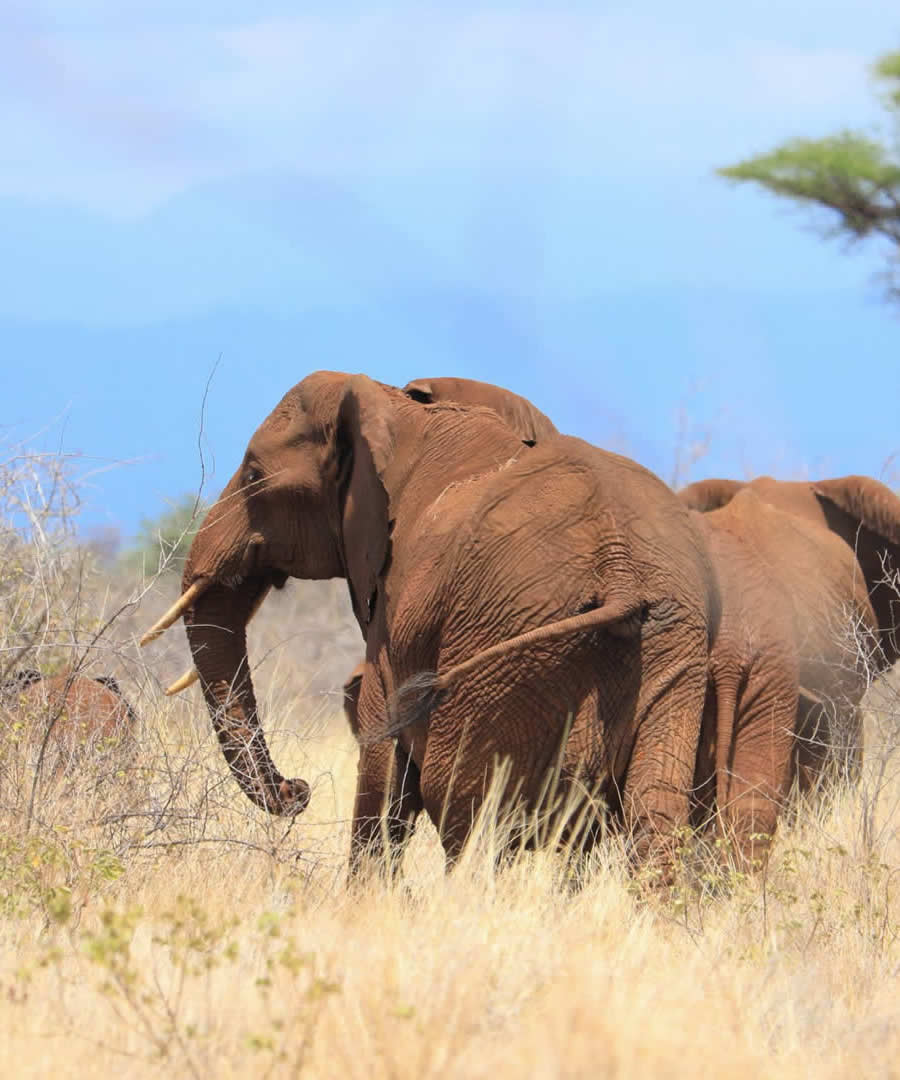
The setting of Born Free and one of Kenya's most beautiful yet least-visited parks, with lush riverine forests and diverse wildlife.
Explore →
The world's only national park within a capital city — lion, rhino, buffalo and giraffe roam freely against Nairobi's skyline.
Explore →