Akagera National Park is one of the most remarkable conservation success stories on the continent — a vast, lake-studded savannah in eastern Rwanda that has been transformed from a poaching-ravaged wilderness into a thriving Big Five destination in barely a decade. Lions, rhinos and the full cast of African plains game now roam a landscape that was on the brink of collapse just years ago.
Covering 1,122 square kilometres along the Tanzanian border, Akagera protects the largest area of protected wetland in central Africa — a mosaic of rolling savannah, Acacia woodland, papyrus-fringed lakes and riverine marsh fed by the Akagera River. Managed since 2010 by African Parks in partnership with the Rwanda Development Board, the park has undergone a dramatic revival: lions were reintroduced in 2015, both black and white rhinos arrived in 2017 and 2021, and a 120-kilometre predator-proof fence now protects the entire boundary. Over 13,000 large mammals and more than 500 bird species inhabit the park, including elephants, buffalo, Masai giraffes, hippos, Nile crocodiles, zebra, topi, eland, roan antelope, bushbuck, sitatunga and the newly established big-cat populations. Akagera is now Rwanda's only Big Five national park — and a powerful proof of what is possible when conservation, community and political will converge.
Hover over a month to discover what awaits


Akagera is Rwanda's only Big Five national park. Lions — reintroduced in 2015 after a 15-year absence — now roam the savannah in growing prides. Both black and eastern black rhinos were returned in 2017, with white rhinos following in 2021. Together with the park's established populations of elephants, buffalo, leopards, giraffes, zebra and hippos, Akagera now offers a classic African savannah safari experience that was unthinkable a decade ago.
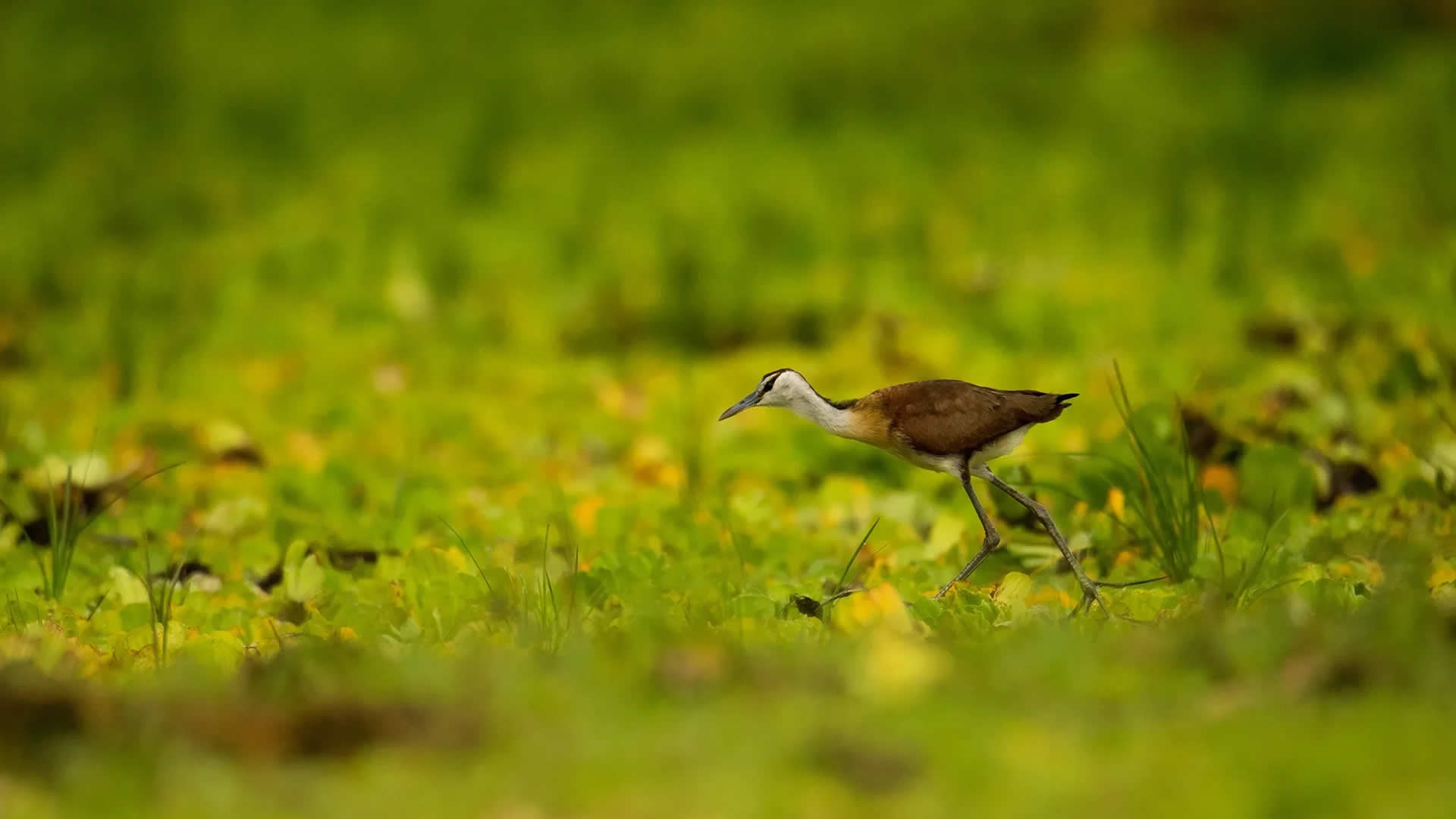
The boat cruise on Lake Ihema is one of the finest water-based wildlife experiences in Central and East Africa. The lake supports enormous concentrations of hippos — pods of 50 or more — alongside Nile crocodiles up to four metres long, African fish eagles, Goliath herons, open-billed storks, malachite kingfishers and the secretive sitatunga antelope in the papyrus margins. The two-hour cruise at golden hour is a highlight of any Akagera visit.
The conservation story is one of the most compelling reasons to visit. In 2010, Akagera was a park in crisis — overrun by cattle, stripped of its predators and losing wildlife to poaching. African Parks' partnership with the Rwanda Development Board has reversed every trend: a predator-proof fence now protects the entire boundary, ranger patrols have eliminated poaching, and wildlife populations have more than tripled. Visiting Akagera is participating in one of Africa's great conservation triumphs.
With over 500 recorded bird species, Akagera is one of the richest birding destinations in the region. The park's extraordinary habitat diversity — open savannah, Acacia woodland, papyrus swamp, lakeshore, riverine forest and hilltop grassland — supports an unmatched range of species. Papyrus gonolek, shoebill stork, Ross's turaco, grey crowned crane and the exquisite red-faced barbet are among the highlights for serious birders.
Night drives at Akagera reveal a completely different park. Leopards — shy and rarely seen by day — emerge to hunt along the woodland edges. Spotted hyena, serval, civet, genet, African wildcat and white-tailed mongoose are all regularly encountered. The night-drive experience is well-managed and highly productive, offering some of the best nocturnal wildlife viewing in East Africa outside the private conservancies of Kenya.
The behind-the-scenes rhino tracking experience offers a rare, intimate encounter with one of Africa's most endangered mammals. Led by the park's rhino monitoring team, the experience follows the daily routine of tracking and protecting Akagera's growing rhino population — a hands-on conservation encounter that goes far beyond a standard game drive and connects visitors directly to the science and commitment that underpin Akagera's remarkable recovery.
Akagera delivers rewarding safari experiences year-round. The boat cruise, night drives and the rhino tracking experience operate in every season. However, the dry months offer the best savannah game viewing as wildlife concentrates around the lakes and permanent water sources.
The two dry seasons — December through February and June through September — are the most productive. Vegetation thins, wildlife is highly visible on the open plains and lion sightings are at their most reliable. July and August are peak months with the highest visitor numbers and the best overall game-drive conditions.
The wet months of March to May and October to November bring lush green scenery, the finest birding and a beautifully atmospheric landscape of rolling green hills and storm-lit lakes. The park's African Parks-managed roads remain driveable year-round. Visitor numbers drop and lodge rates soften — ideal for birders and travellers who want Akagera's Big Five experience with fewer vehicles on the road.
Akagera lies in eastern Rwanda along the Tanzanian border, roughly 110 kilometres from Kigali — a comfortable 2–2.5 hour drive on excellent tarmac. The southern gate at Kiyonza is the main entry point, with the park's reception and visitor centre located here. Akagera's proximity to Kigali makes it one of the most accessible Big Five parks in East Africa.
Helicopter transfers from Kigali are available for a premium experience, landing at Magashi airstrip near the park's northern sector. Self-drive is possible and well-supported — the park rents vehicles and provides detailed maps. Guided game drives with experienced African Parks rangers are available at the gate for visitors without their own vehicle.
Akagera sits at the eastern anchor of Rwanda's compact wildlife circuit. It combines naturally with Volcanoes National Park for gorilla tracking in the north-west and Nyungwe Forest for chimpanzee encounters in the south-west — together creating a gorillas, chimps and Big Five itinerary that is entirely contained within Rwanda and can be completed in as few as seven days.

If Africa's conservation story inspires you, Akagera will move you profoundly. Watching a lion pride that exists only because of a decade of determined protection, cruising past hippo pods that have tripled in number since poaching was eliminated, knowing that the rhinos you might encounter were flown in from South Africa to rebuild a population that had been wiped out — every sighting carries the weight of a comeback. It is a safari where the wildlife itself tells a story of hope.

Akagera offers experiences that go well beyond the classic savannah drive. Cruise Lake Ihema at golden hour through pods of hippos and enormous Nile crocodiles. Join a night drive to encounter leopard, serval and spotted hyena. Track rhinos on foot with the park's monitoring team for an intimate, behind-the-scenes conservation experience. Fish for tilapia in the lakes. Walk the ridgeline trails for panoramic views across the wetlands to the Tanzanian hills. The range of activities rivals parks many times its size.

Akagera completes Rwanda's remarkable wildlife trio. Begin with gorilla tracking in Volcanoes, travel south-west for chimpanzees and canopy walks in Nyungwe Forest, then head east to Akagera for Big Five savannah game drives and the Lake Ihema boat cruise. Gorillas, chimps and Big Five — all within a single compact country, connected by excellent roads and manageable driving distances. No other country in Africa delivers this combination so efficiently, and Akagera is the piece that makes it complete.

The legendary home of mountain gorillas — misty bamboo forests draped across the Virunga volcanoes, where Dian Fossey's pioneering research began.
Explore →
One of Africa's oldest and most biodiverse montane rainforests — home to 13 primate species, chimpanzee trekking and a stunning canopy walkway.
Explore →
Rwanda's Big Five savannah — a remarkable conservation success where reintroduced lions and rhinos now roam alongside elephant, buffalo and leopard.
Explore →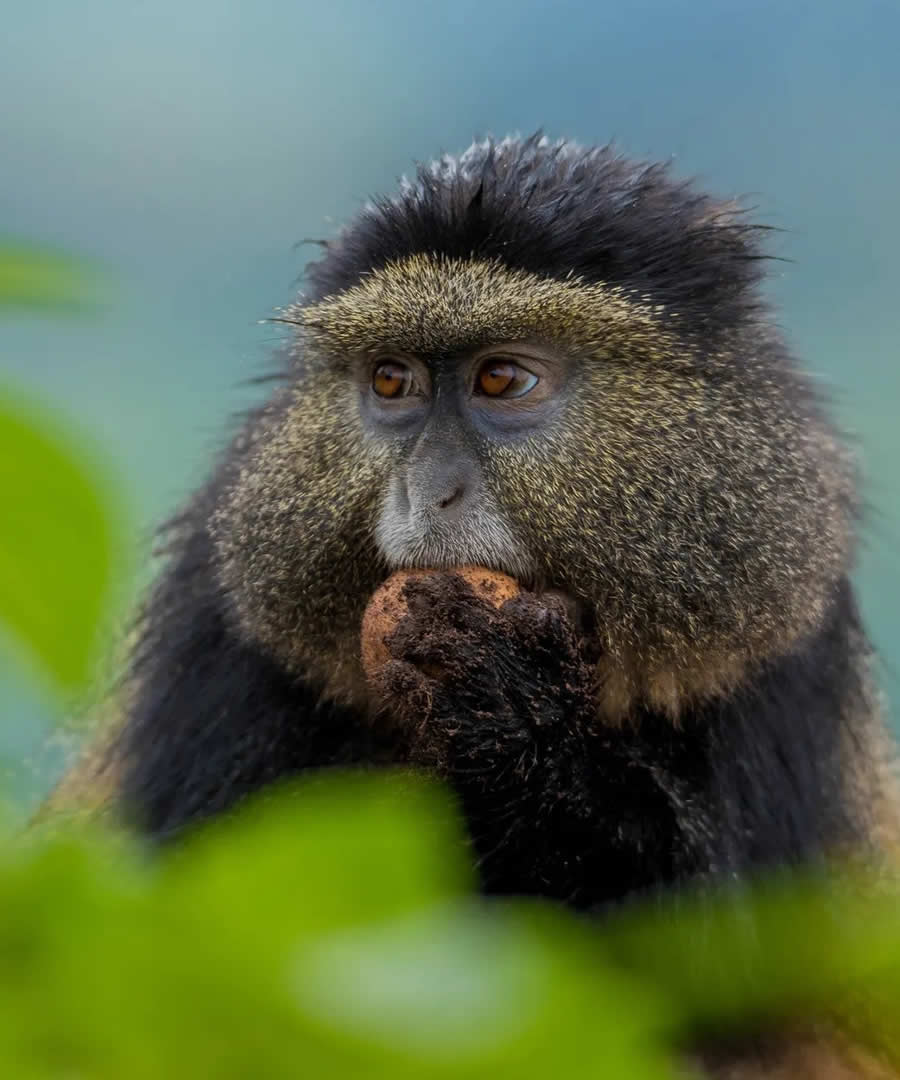
Rwanda's newest park — a restored highland rainforest sheltering chimpanzees, golden monkeys and a powerful story of ecological recovery.
Explore →