Samburu is raw, remote and utterly unlike the green savannahs of Kenya's south. Here the Ewaso Ng'iro River carves a ribbon of life through a rugged, semi-arid landscape of rust-red earth, doum palms and golden plains — home to rare wildlife found nowhere else in the country and to the proud warrior culture of the Samburu people.
Covering 165 square kilometres of Samburu County in northern Kenya, the reserve sits on the southern bank of the Ewaso Ng'iro — the only permanent water source in a vast arid basin. This life-giving river sustains dense riverine forest, attracts extraordinary concentrations of wildlife and forms the boundary with neighbouring Buffalo Springs National Reserve. Together with Shaba and a network of community conservancies, the three reserves create a connected wilderness corridor of over 1,000 square kilometres. Samburu is famous for the "Special Five" — Grevy's zebra, reticulated giraffe, Beisa oryx, gerenuk and Somali ostrich — rare northern species not found in Kenya's southern parks. Add big cats, large elephant herds, over 450 bird species and one of Africa's most vibrant indigenous cultures, and you have a safari destination unlike any other.
Hover over a month to discover what awaits


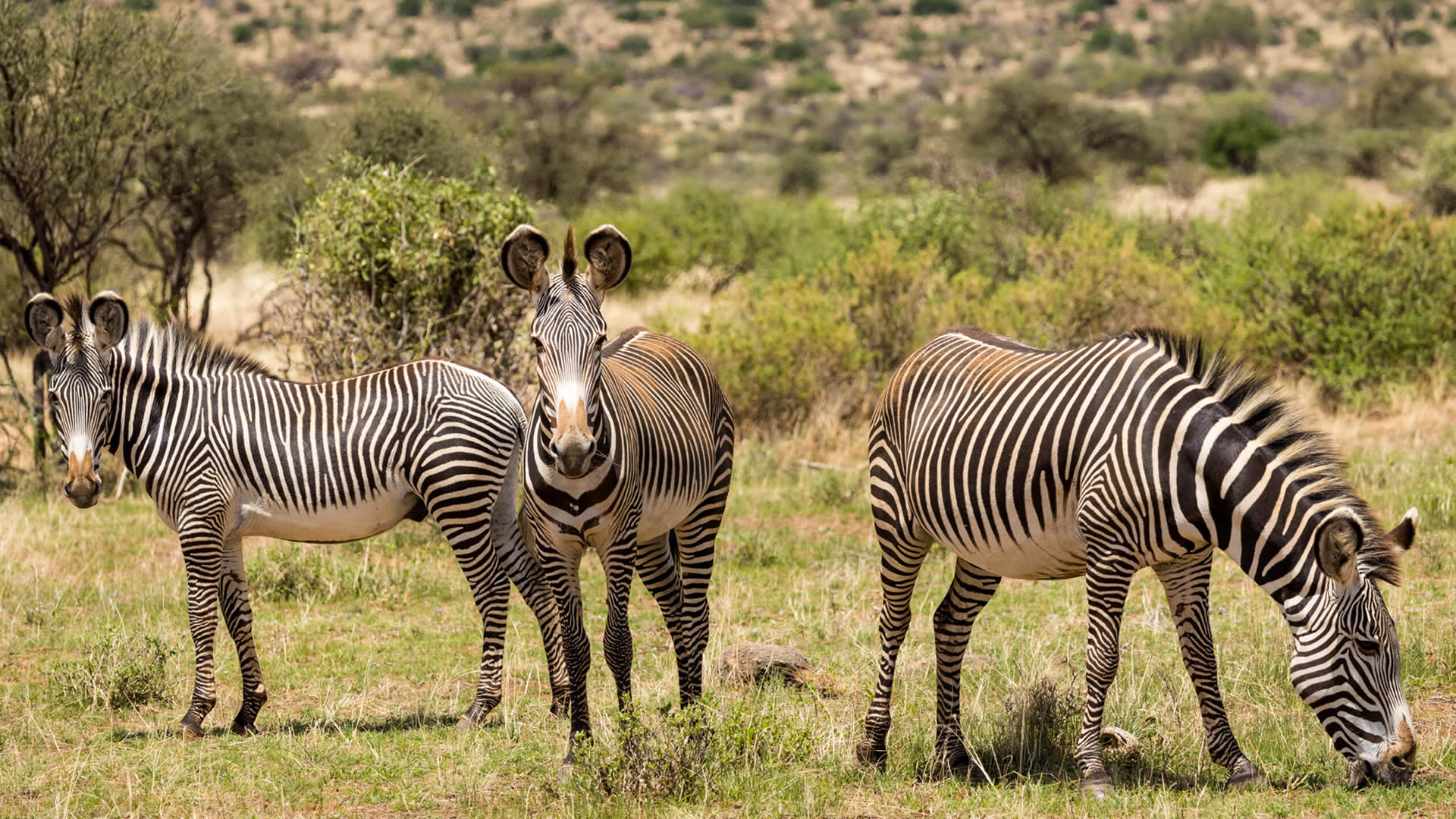


Samburu is the only place in Kenya to reliably see the "Special Five" — Grevy's zebra, reticulated giraffe, Beisa oryx, gerenuk and Somali ostrich — rare northern species adapted to the arid landscape that simply cannot be found in the country's southern parks.
The Ewaso Ng'iro River is the reserve's lifeline. Elephant herds wade through the shallows, crocodiles bask on the banks, leopards hunt in the doum palm forest and hundreds of bird species nest in the dense riverine canopy — all visible from the comfort of your lodge veranda.
Samburu is one of Kenya's finest reserves for big cat sightings. Lion prides patrol the open plains, cheetah hunt with exceptional visibility on the short grass, and leopards are frequently seen along the river — often in the early morning and late afternoon light.
The reserve was the setting for Joy and George Adamson's famous story of Elsa the Lioness, told in the book and film "Born Free" — a conservation legacy that continues to shape Samburu's role in wildlife protection and community-based conservation today.
Cultural encounters with the Samburu people — a proud, semi-nomadic warrior community closely related to the Maasai — offer a rich and meaningful dimension. Visits to traditional manyattas reveal centuries-old customs, intricate beadwork, song and dance.
Beyond the classic game drive, Samburu offers camel-back safaris, guided bush walks with Samburu warriors, scenic sundowner experiences and night drives in the surrounding community conservancies — activities rarely available in Kenya's more conventional parks.
Samburu is a year-round destination, but the dry months deliver the most dramatic wildlife viewing as every species gravitates to the Ewaso Ng'iro — the sole permanent water source in the reserve.
June through September is peak season — dry, warm and spectacular. January and February offer equally excellent viewing with fewer visitors and a quieter, more exclusive atmosphere.
The green season from April to May transforms the dusty landscape into vivid colour. Wildlife disperses but birdlife soars, lodge rates drop significantly and the reserve feels entirely your own.
Scheduled and charter flights from Nairobi's Wilson Airport reach Samburu's airstrips in approximately 90 minutes, with scenic views of Mount Kenya en route. Most lodges arrange airstrip transfers that serve as a first game drive through the reserve.
The overland drive from Nairobi takes 5–6 hours via the Thika Superhighway and the A2 highway through Nanyuki and Isiolo — a journey through dramatic changing landscapes from highlands to arid northern plains.
Samburu connects easily by charter flight with the Maasai Mara, Amboseli, Lewa and the Laikipia Plateau, making it a natural addition to multi-destination Kenya safari circuits.

Samburu feels like nowhere else in Kenya. The dramatic, semi-arid landscape of rust-red earth, doum palms and golden grassland is home to rare wildlife you simply cannot see in the south — the elegant gerenuk, the endangered Grevy's zebra, the strikingly patterned reticulated giraffe. Add big cats, large elephant herds and the life-giving river, and every game drive delivers something genuinely unexpected.

Samburu offers safari experiences you won't find in conventional parks. Ride a camel through the arid bush with Samburu warriors. Walk the riverine forest on a guided bush walk. Visit a traditional manyatta to learn the ancient customs of one of Kenya's most iconic pastoral communities. End the day with a sundowner on a rocky outcrop overlooking the vast northern plains stretching to the horizon.

Samburu's relative remoteness is its greatest asset — visitor numbers are a fraction of the Mara's, the landscape feels vast and untouched, and the wildlife encounters feel genuinely personal. The reserve pairs beautifully with Lewa, Ol Pejeta or the Laikipia conservancies for a northern Kenya circuit, or connects by charter flight to the Mara or the coast for a varied, multi-region itinerary.

Kenya's most celebrated reserve — world-class big cat sightings, the Great Migration river crossings, and endless golden savannahs.
Explore →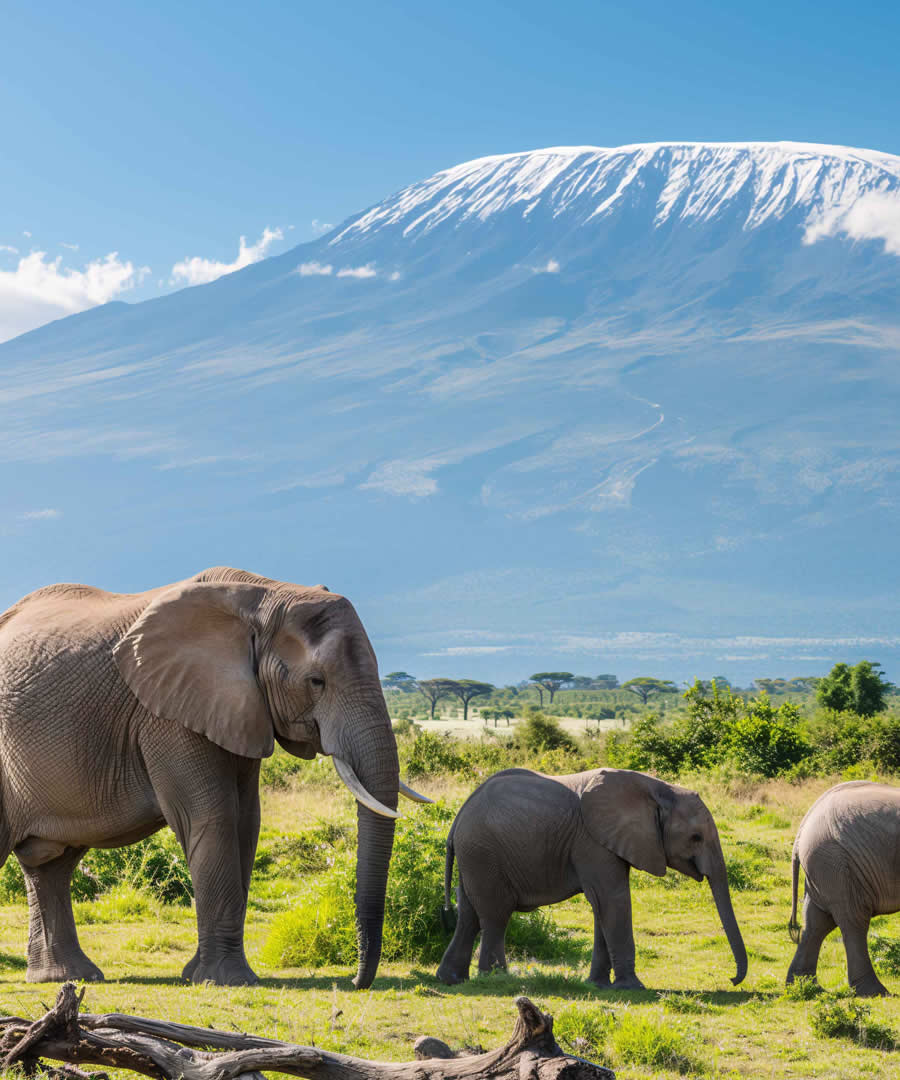
Iconic views of Mount Kilimanjaro towering above vast elephant herds make Amboseli one of Kenya's most photogenic safari destinations.
Explore →
A rugged northern frontier where the rare Samburu Special Five — reticulated giraffe, Grevy's zebra, Beisa oryx, Somali ostrich and gerenuk — roam wild.
Explore →
A Rift Valley gem famous for flamingo-fringed shores, rhino conservation, and prolific birdlife in a compact and rewarding setting.
Explore →
East Africa's largest black rhino sanctuary and home to the last two northern white rhinos on earth — a conservation stronghold.
Explore →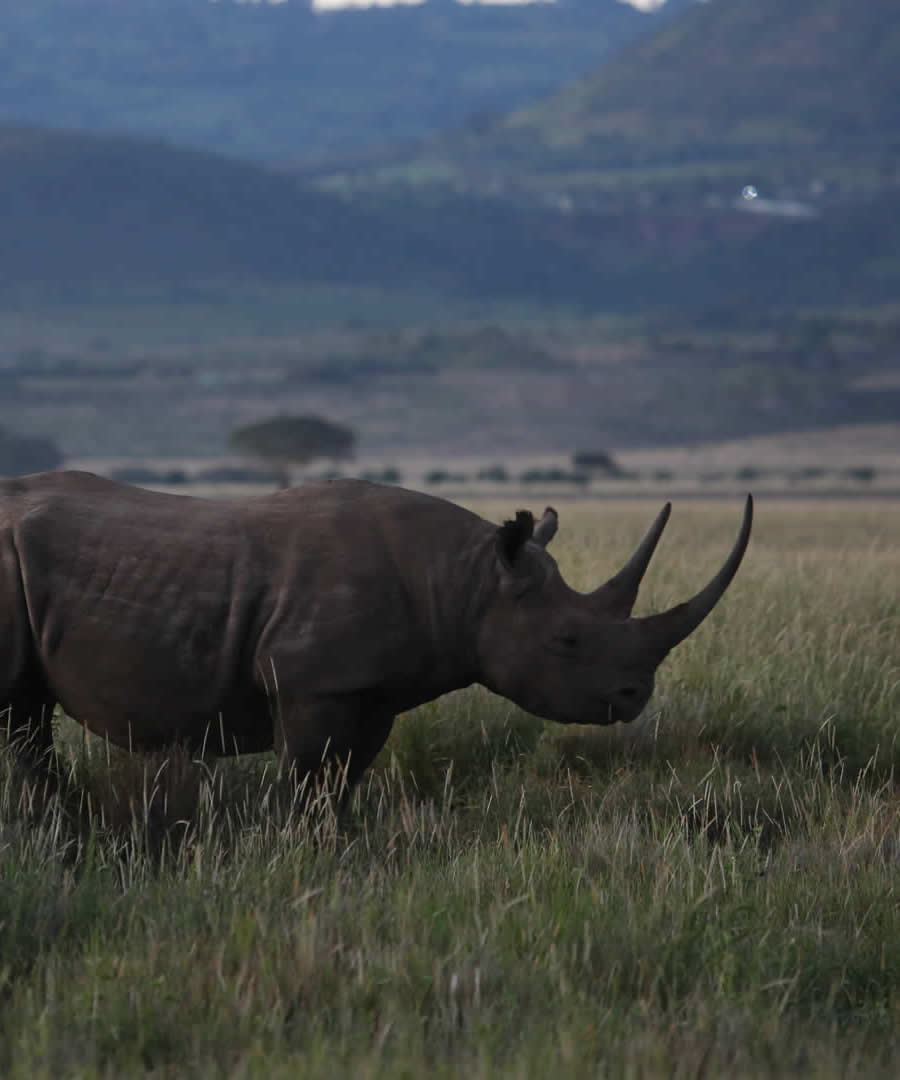
A UNESCO World Heritage Site and pioneering rhino sanctuary set against the dramatic backdrop of Mount Kenya's northern slopes.
Explore →
Vast red-earth plains, the Galana River, and herds of dust-red elephants make Tsavo East one of Kenya's wildest and most expansive parks.
Explore →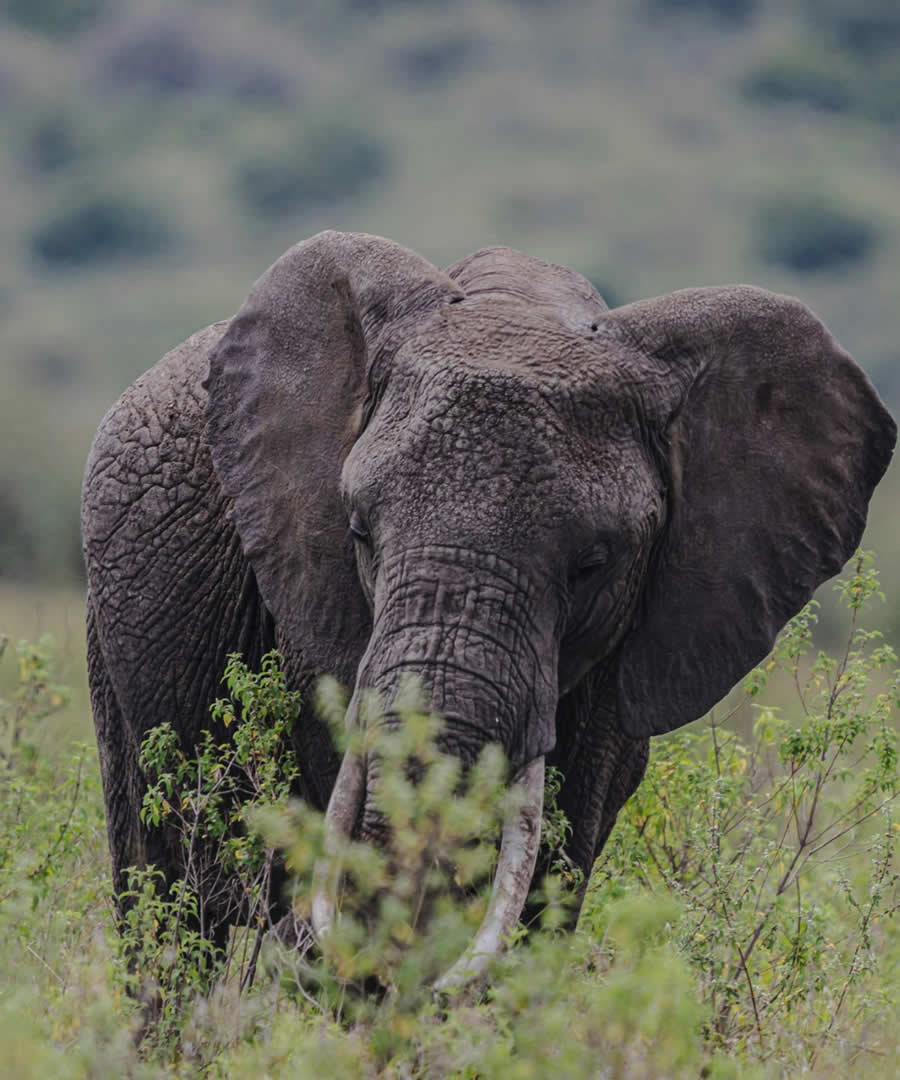
Dramatic volcanic landscapes, the crystal-clear Mzima Springs, and rich wildlife diversity in a rugged, mountainous setting.
Explore →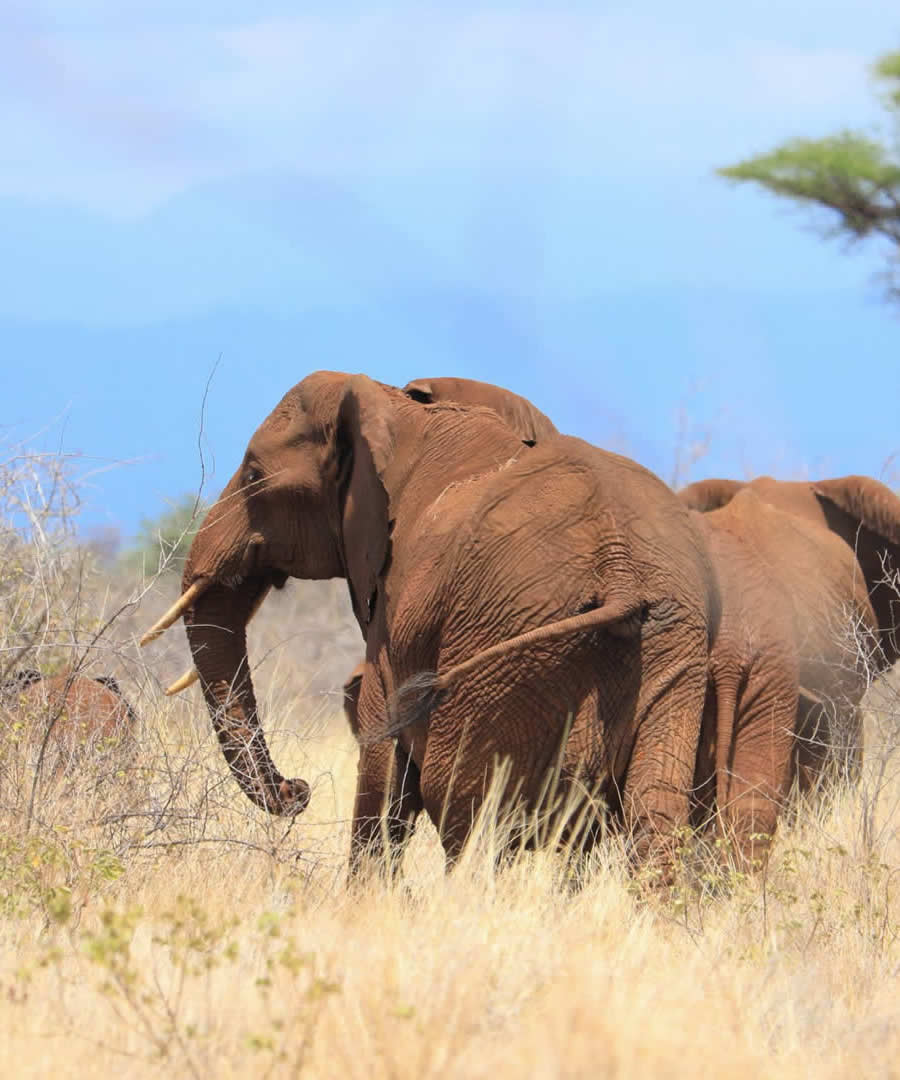
The setting of Born Free and one of Kenya's most beautiful yet least-visited parks, with lush riverine forests and diverse wildlife.
Explore →
The world's only national park within a capital city — lion, rhino, buffalo and giraffe roam freely against Nairobi's skyline.
Explore →