Nyerere is Africa at its most untamed — an immense riverine wilderness of lakes, channels, sandbanks and floodplains carved by the mighty Rufiji River, where boat safaris glide past hippo pods and Nile crocodiles, African wild dogs hunt through open woodland, and the sound of another vehicle is something you may never hear.
Covering approximately 30,893 square kilometres of southern Tanzania, Nyerere National Park — formerly the northern photographic sector of the Selous Game Reserve — is one of the largest protected areas in Africa. The Rufiji River, Tanzania's mightiest waterway, flows through the heart of the park, feeding a labyrinth of ox-bow lakes, palm-fringed channels and seasonal floodplains that sustain an extraordinary density and diversity of wildlife. Carved out of the historic Selous in 2019 and named after Tanzania's founding father, Julius Nyerere, the park protects all of the Big Five, one of Africa's most important populations of endangered African wild dogs, over 440 bird species, and the continent's largest concentration of hippopotamus and Nile crocodile. Its combination of boat safaris, walking safaris and traditional game drives — set against a backdrop of profound solitude — makes Nyerere one of the most experientially rich and least crowded safari destinations on the continent.
Hover over a month to discover what awaits


Nyerere's boat safaris along the Rufiji River and its ox-bow lakes are unlike any other safari experience in East Africa. Gliding silently at water level past hippo pods, basking crocodiles, drinking elephants and fish eagles offers an intimacy and perspective that no game drive can replicate — and it is an experience available in very few parks on the continent.
The park harbours one of Africa's most important populations of the endangered African wild dog. Packs range across the open miombo woodland and are regularly encountered during the dry season — Nyerere is one of the most reliable destinations anywhere on the continent for this increasingly rare and charismatic predator.
The Rufiji River system supports the largest concentrations of hippopotamus and Nile crocodile in East Africa. During the dry season, hippo pods of 50 or more crowd the shrinking lakes, while crocodiles — some exceeding five metres — line every sandbank. The scale of these congregations is a spectacle in its own right.
Walking safaris are a cornerstone of the Nyerere experience. Armed rangers lead small groups through the miombo woodland and along the river channels, tracking wildlife on foot, reading the landscape and revealing the smaller dramas — insects, tracks, medicinal plants — that a vehicle passes in seconds. It is safari at its most immersive and most traditional.
At over 30,000 square kilometres, Nyerere — together with the adjoining Selous Game Reserve — forms one of the largest protected wilderness areas in Africa. The sheer scale ensures that visitor densities are among the lowest on the continent. Even in peak season, the sense of solitude is absolute — a rare and increasingly precious quality in African conservation.
All of the Big Five are present, with lion and elephant the most frequently encountered. The park's varied habitats — riverine forest, palm-fringed lakes, open savannah, miombo woodland and seasonal floodplain — support over 440 bird species, making Nyerere one of southern Tanzania's premier birding destinations alongside Ruaha.
Nyerere's dry season — June through October — delivers the most spectacular wildlife viewing, with enormous concentrations of hippo, crocodile, elephant and predators massing around the shrinking Rufiji lakes and river channels.
July to September is the peak, when the ox-bow lakes contract to their smallest and the density of wildlife along the water is staggering. Boat safaris and game drives are equally rewarding, and African wild dog sightings are at their most reliable.
The green season from November to February offers lush landscapes, exceptional birding and the most affordable rates. Most camps close from mid-March to May during the heavy rains, when the Rufiji floods its banks and roads become impassable. The park reopens in June transformed — dry, golden and teeming with concentrated wildlife.
Scheduled flights from Dar es Salaam reach Nyerere's network of airstrips in approximately 45 minutes — a short hop that belies the profound wilderness that awaits. Charter flights from Arusha, Ruaha and Zanzibar connect the park to the wider Tanzania safari circuit and the coast.
The overland drive from Dar es Salaam takes around five hours via the Kibiti road — an adventurous journey through rural Tanzania that passes through small villages, cashew plantations and open woodland before arriving at the park boundary.
Nyerere pairs superbly with Ruaha for the complete southern Tanzania safari — a combination that rivals the northern circuit in wildlife quality while offering a fraction of the visitor numbers. It also connects easily with Zanzibar or the Mafia Island archipelago for a bush-and-beach finish to any Tanzania itinerary.

Nyerere is for the traveller who wants to experience Africa's wild places on their own terms — by boat, on foot and from behind the wheel, in a wilderness so vast that solitude is not a luxury but a given. The boat safaris alone are worth the journey — drifting past hippo pods at eye level, watching elephants wade into the shallows to drink, and listening to the cry of a fish eagle echo across water that stretches to the horizon. This is safari stripped back to its essence.

Take a walking safari through the miombo woodland with an armed ranger, reading elephant tracks in the sand, identifying medicinal trees and feeling the bush close around you. Glide along the Rufiji at dawn on a boat safari, passing sandbanks heavy with crocodiles and shorelines lined with carmine bee-eaters. Fish for tiger fish in the rapids. Return to camp as the sun drops behind the borassus palms and the river turns gold — an experience no northern circuit park can offer.

Nyerere is the anchor of Tanzania's southern circuit — a genuine alternative to the Serengeti for travellers who prize wilderness, water-based experiences and the thrill of African wild dog encounters above all else. Combine it with Ruaha for the complete southern experience, or add Zanzibar or Mafia Island for a bush-and-beach itinerary that moves from the wildest interior to the Indian Ocean coast. For those who have done the northern circuit and want to go deeper into Tanzania, Nyerere is where the journey leads.

Home to the Great Migration and one of the finest wildlife spectacles on earth, the Serengeti defines the African safari.
Explore →
Ancient baobab trees and huge elephant herds make Tarangire one of Tanzania's most atmospheric and underrated parks.
Explore →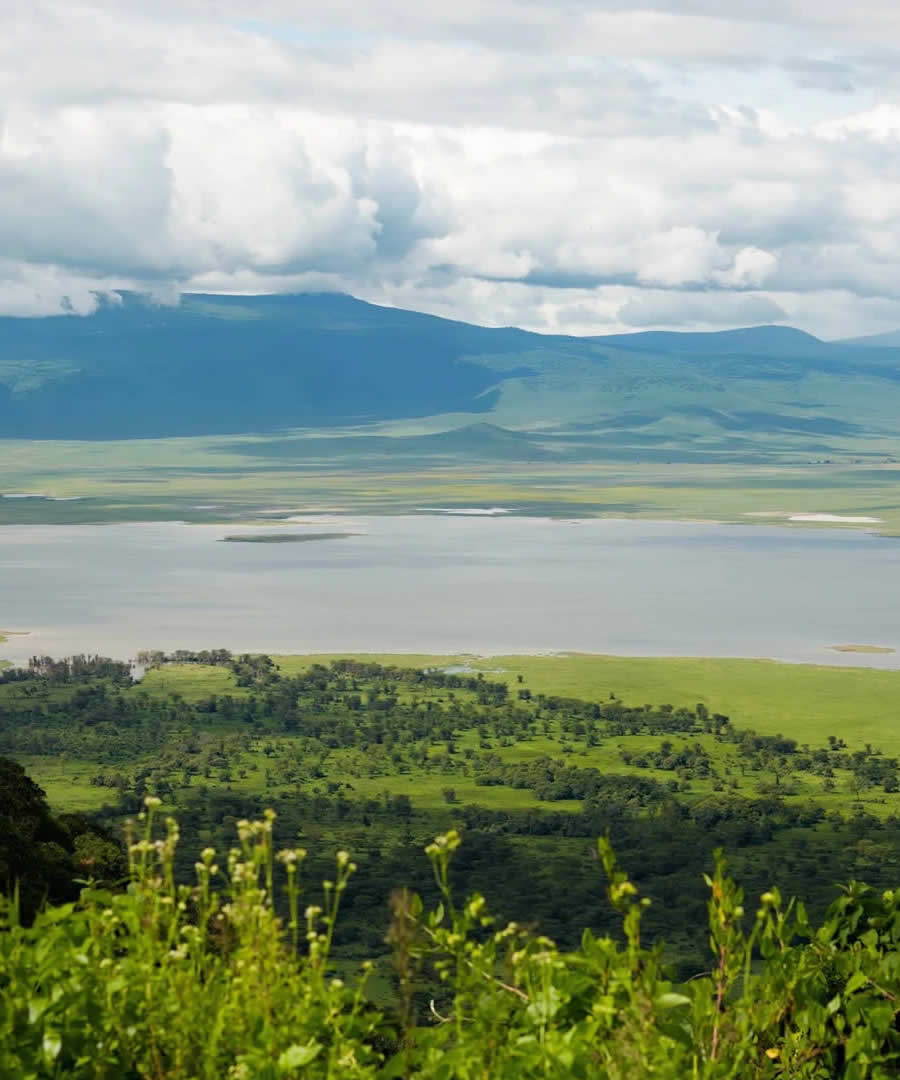
The world's largest intact caldera shelters an extraordinary density of wildlife, including the Big Five, in a breathtaking natural amphitheatre.
Explore →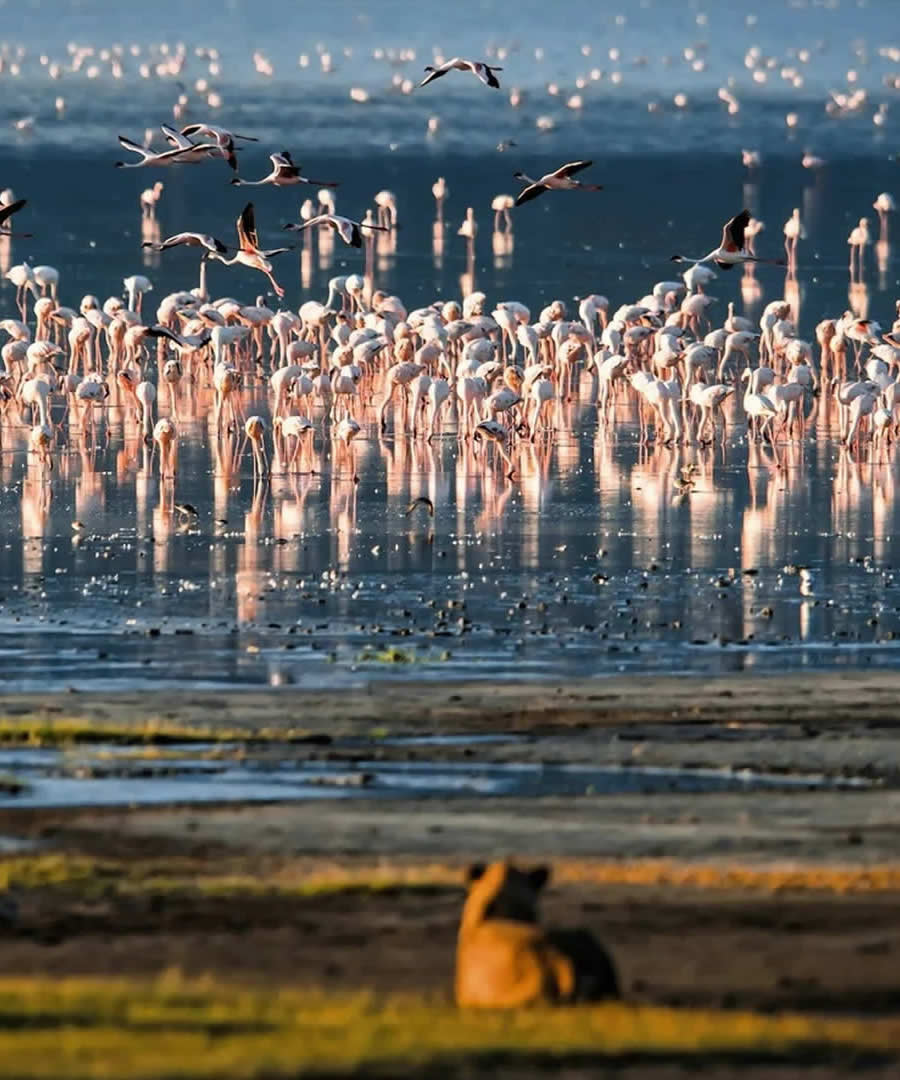
Famous for its tree-climbing lions and vast flocks of flamingos, this compact park is a jewel along the northern circuit.
Explore →
Tanzania's largest national park offers raw, uncrowded wilderness with super-prides of lion and exceptional predator sightings.
Explore →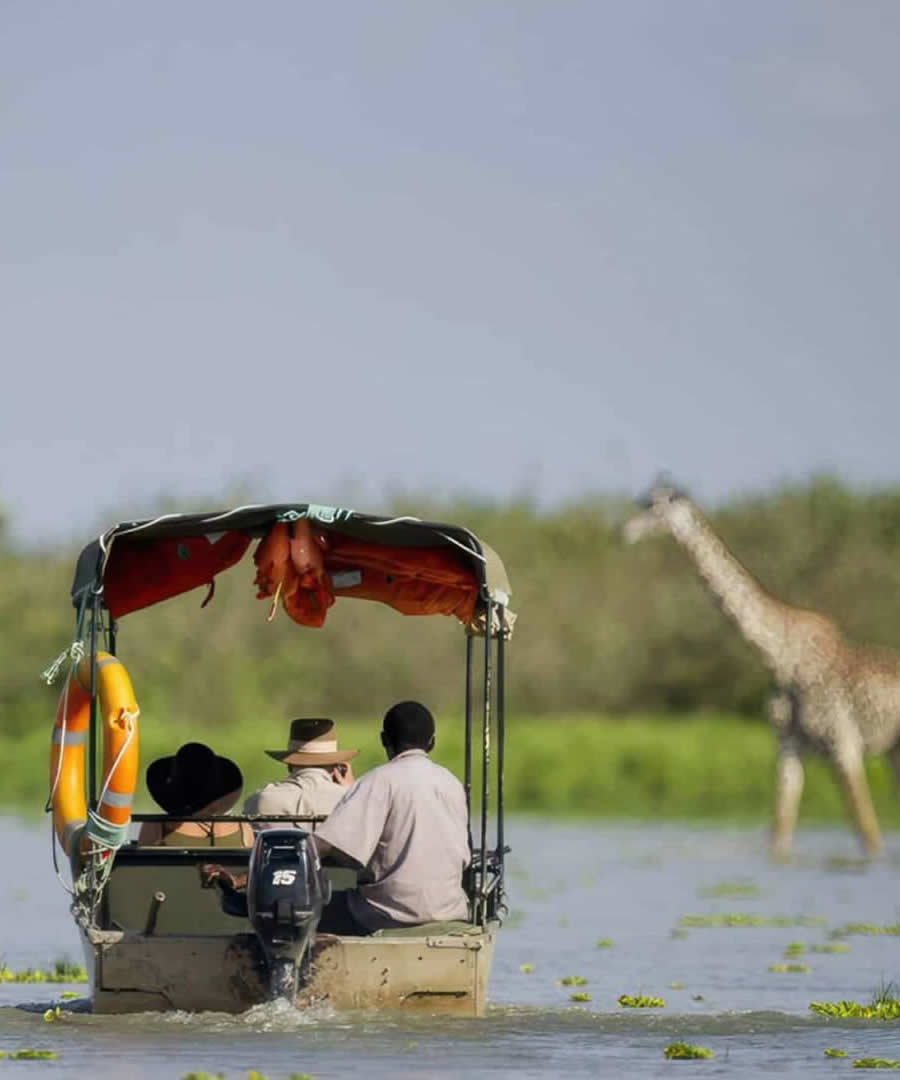
Formerly Selous Game Reserve, this vast southern wilderness is renowned for wild dogs, boat safaris on the Rufiji River and total remoteness.
Explore →
Jane Goodall's legendary chimpanzee research site on the shores of Lake Tanganyika — an intimate primate encounter like no other.
Explore →
Mahale is Africa's most exclusive chimpanzee encounter — a remote wilderness where forested mountains plunge into the crystal-clear waters of Lake Tanganyika.
Explore →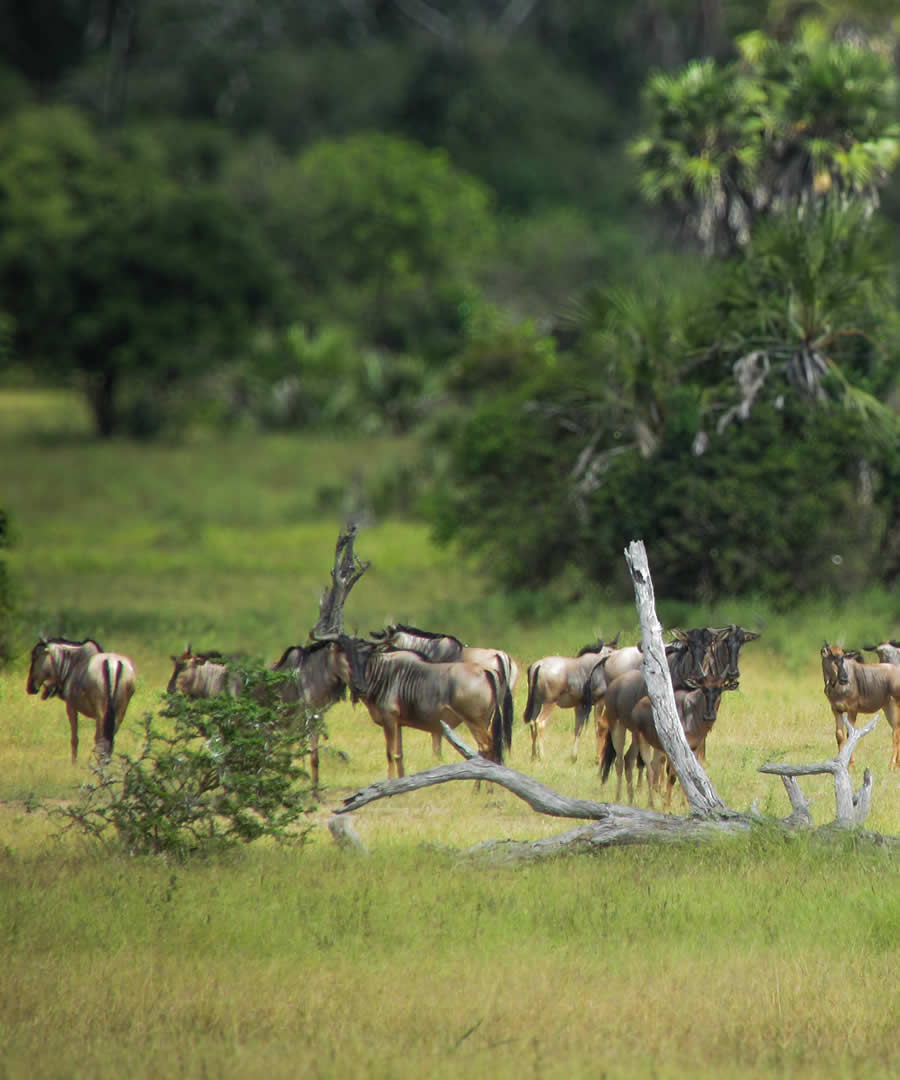
Mikumi is the southern Serengeti in miniature — a broad, open floodplain ringed by mountains where elephant, lion, buffalo, giraffe, zebra and wildebeest.
Explore →
An exclusive private concession bordering the western Serengeti, offering front-row seats to the Great Migration's river crossings.
Explore →