Ruaha is Tanzania's largest national park and its best-kept secret — a vast, untamed wilderness of baobab-studded savannah, rocky escarpments and the Great Ruaha River, where enormous elephant herds, one of East Africa's densest lion populations and endangered African wild dogs roam landscapes that most visitors to Tanzania never see.
Spanning 20,226 square kilometres of central Tanzania — larger than the Serengeti — Ruaha lies at the ecological crossroads where the flora and fauna of eastern and southern Africa overlap, producing a species diversity found nowhere else in the country. The Great Ruaha River and its tributaries carve through the park from west to east, sustaining enormous concentrations of wildlife during the dry season and creating dramatic riverine landscapes of sand, rock and fever-tree woodland. Gazetted in 1964 and dramatically expanded in 2008 with the absorption of the former Usangu Game Reserve, Ruaha protects over 570 bird species, an estimated 12,000 elephants, one of the largest lion populations in any African park and a critical population of the endangered African wild dog. Its remoteness ensures that visitor numbers remain exceptionally low — even in peak season, this is a park where you may drive for hours without encountering another vehicle.
Hover over a month to discover what awaits


Ruaha is Tanzania's largest national park — over 20,000 square kilometres of wilderness, larger than the Serengeti — yet receives a fraction of its visitors. Even in peak season, game drives feel like private expeditions into uncharted territory. This is the closest thing to old Africa that Tanzania still offers.
The park lies at the ecological crossroads where eastern and southern African biomes overlap. This convergence produces an extraordinary species mix — greater and lesser kudu, sable and roan antelope, Grant's gazelle and eland share the landscape, a combination found nowhere else in Tanzania.
Ruaha supports one of the largest lion populations in any single African park — an estimated 10 per cent of the continent's remaining lions. Prides are large, territorial and frequently encountered. The park's equally significant population of endangered African wild dogs makes it one of the most important predator strongholds in East Africa.
The Great Ruaha River is the park's lifeline. During the dry season it recedes to a chain of pools and sand rivers that draw staggering concentrations of elephant, buffalo, hippo and crocodile — hundreds of animals visible from a single vantage point, creating scenes of raw, unmediated drama.
An estimated 12,000 elephants roam the Ruaha ecosystem. During the dry months, herds of 100 or more gather along the river, feeding and bathing in the remaining pools. The scale and intimacy of these encounters — often with no other vehicle in sight — rival any elephant experience on the continent.
With over 570 recorded bird species, Ruaha is one of Tanzania's finest birding destinations. The combination of miombo woodland, riverine forest, baobab savannah and rocky escarpment supports a remarkable diversity — from Eleonora's falcon and Dickinson's kestrel to racket-tailed roller and the endemic Ruaha red-billed hornbill.
Ruaha's dry season — June through October — delivers the most spectacular wildlife viewing, with enormous concentrations of elephant, buffalo and predators massing along the Great Ruaha River and its tributaries as water becomes scarce.
September and October are the peak months, when the river is reduced to isolated pools and the density of wildlife along its banks is among the highest anywhere in Africa. African wild dog sightings are at their most reliable during this period.
The green season from November to March offers lush landscapes, exceptional birding — including European and Asian migrants — and the lowest visitor numbers of any major Tanzanian park. Most camps close from mid-March to May during the heavy rains, reopening as the dry season transforms the park once more.
Scheduled flights from Dar es Salaam reach Ruaha's Msembe and Jongomero airstrips in approximately 90 minutes, with a brief stop in Iringa. Charter flights from Arusha, the Serengeti and the Selous/Nyerere connect Ruaha to the wider Tanzania safari circuit.
The overland drive from Iringa takes around two hours along a dirt road through the Isimila Stone Age site and dramatic miombo woodland — an adventurous arrival that sets the tone for the wilderness ahead. Iringa itself is reachable from Dar es Salaam by a six-hour drive or a short domestic flight.
Ruaha pairs superbly with the Nyerere National Park (formerly Selous) for a southern Tanzania safari that rivals the northern circuit in wildlife quality while offering a fraction of the visitor numbers — a combination increasingly favoured by experienced safari travellers.

Ruaha is for the traveller who wants Africa as it once was — vast, wild and virtually empty of other visitors. The game viewing is world-class: enormous elephant herds along the river, lion prides that rival the Serengeti's, African wild dogs loping across the savannah, and leopards in the riverine woodland. But it is the solitude that stays with you — hours of driving through a landscape larger than the Serengeti without seeing another vehicle, a silence broken only by the call of a fish eagle overhead.

Walk the bush with armed rangers on a guided walking safari — one of the most immersive ways to experience the African wilderness. Explore the Mwagusi and Jongomero sand rivers on foot, reading tracks and learning the small dramas that a vehicle drives past. Visit the Isimila Stone Age site near Iringa, where some of the finest Acheulean hand axes in Africa have been excavated. Return to camp for sundowners on the riverbank as hippos surface and elephants come to drink in the golden light.

Ruaha is the centrepiece of Tanzania's southern circuit — a genuine alternative to the busier northern parks for travellers who prize wilderness, exclusivity and predator encounters above all else. Combine it with Nyerere National Park for the complete southern experience, or add it to a Serengeti-and-Ngorongoro itinerary for a safari that covers the full spectrum of Tanzanian landscapes. For those who have done the northern circuit and want to go deeper, Ruaha is the answer.

Home to the Great Migration and one of the finest wildlife spectacles on earth, the Serengeti defines the African safari.
Explore →
Ancient baobab trees and huge elephant herds make Tarangire one of Tanzania's most atmospheric and underrated parks.
Explore →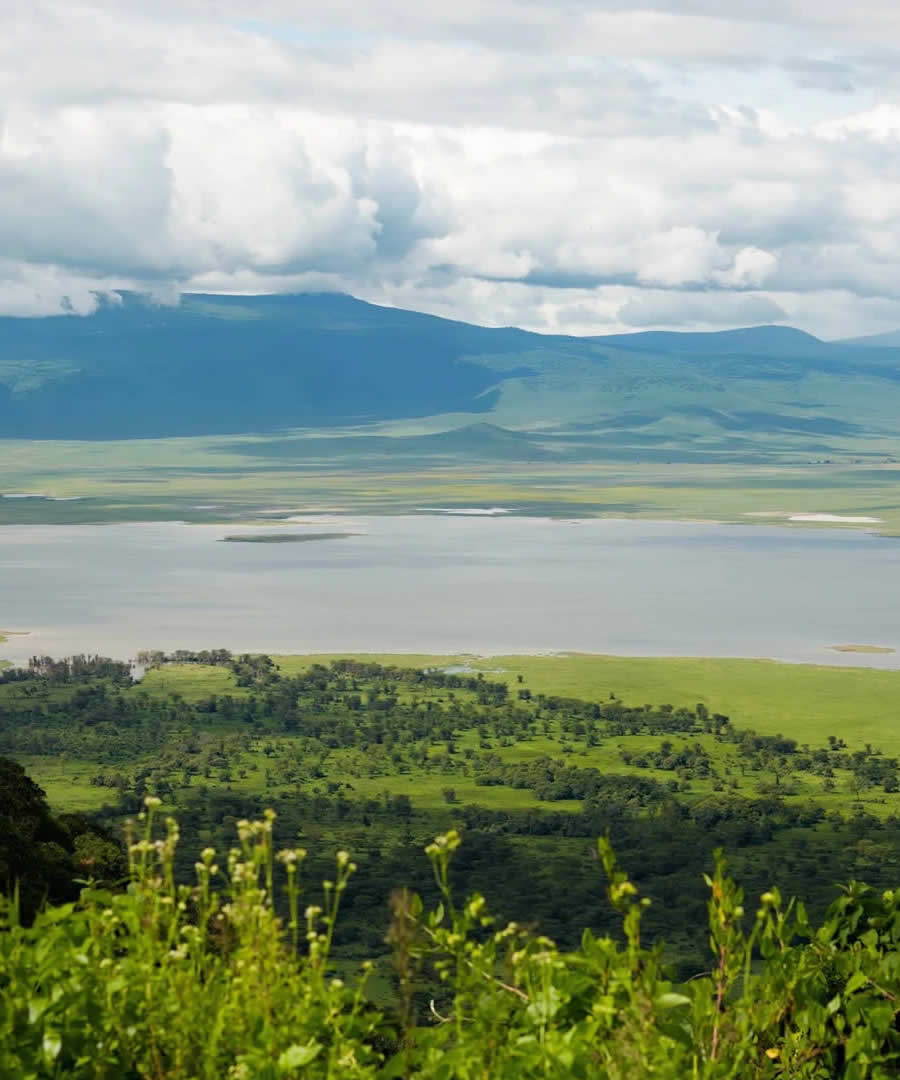
The world's largest intact caldera shelters an extraordinary density of wildlife, including the Big Five, in a breathtaking natural amphitheatre.
Explore →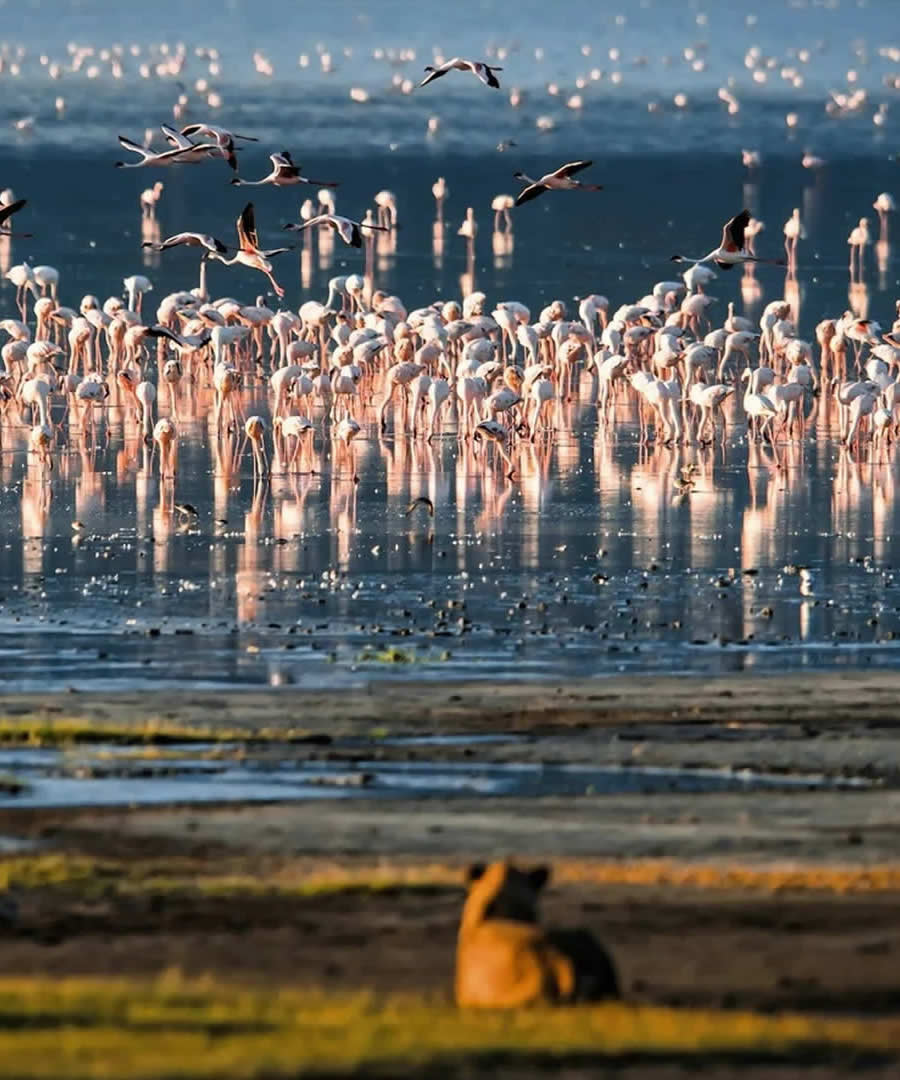
Famous for its tree-climbing lions and vast flocks of flamingos, this compact park is a jewel along the northern circuit.
Explore →
Tanzania's largest national park offers raw, uncrowded wilderness with super-prides of lion and exceptional predator sightings.
Explore →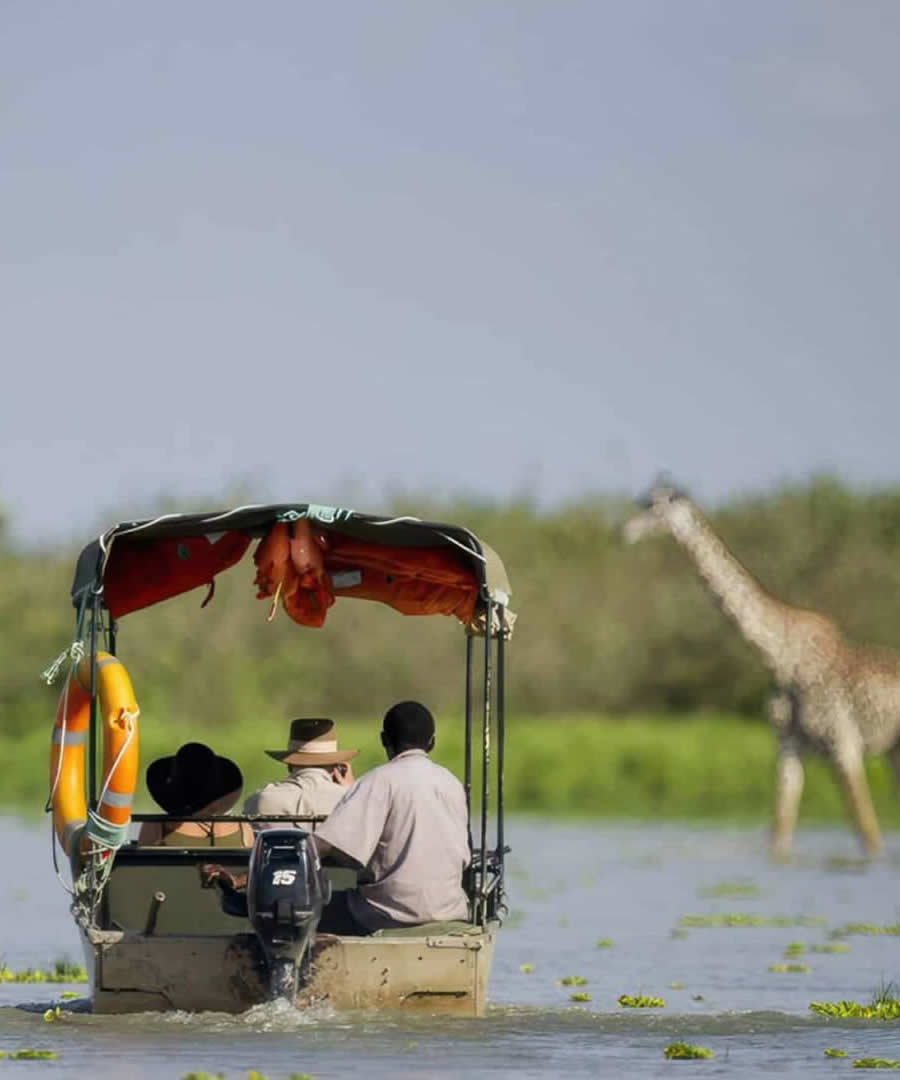
Formerly Selous Game Reserve, this vast southern wilderness is renowned for wild dogs, boat safaris on the Rufiji River and total remoteness.
Explore →
Jane Goodall's legendary chimpanzee research site on the shores of Lake Tanganyika — an intimate primate encounter like no other.
Explore →
Mahale is Africa's most exclusive chimpanzee encounter — a remote wilderness where forested mountains plunge into the crystal-clear waters of Lake Tanganyika.
Explore →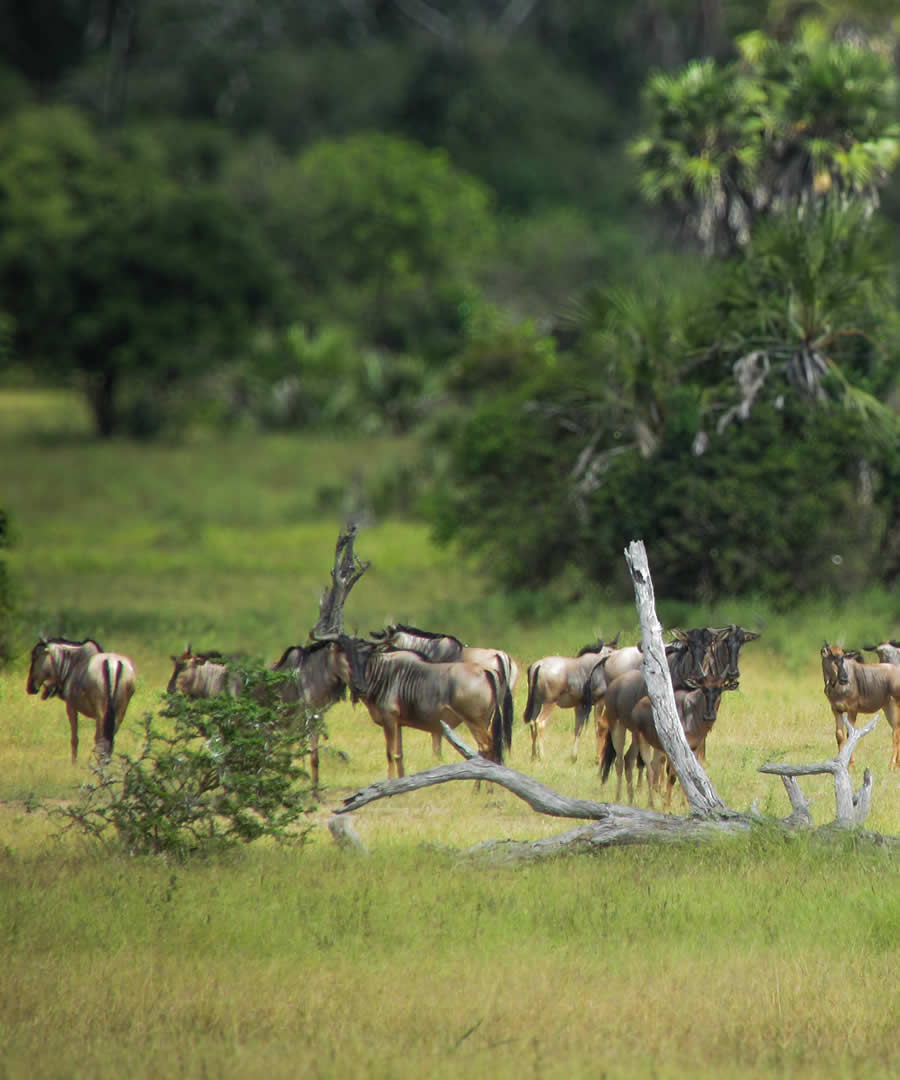
Mikumi is the southern Serengeti in miniature — a broad, open floodplain ringed by mountains where elephant, lion, buffalo, giraffe, zebra and wildebeest.
Explore →
An exclusive private concession bordering the western Serengeti, offering front-row seats to the Great Migration's river crossings.
Explore →