Tarangire is northern Tanzania's best-kept secret — a sweeping river valley of ancient baobab trees, red-earth savannah and seasonal swamps where some of the largest elephant herds in East Africa gather in extraordinary concentrations during the dry season. It is one of the most visually dramatic and underrated parks on the continent.
Covering 2,850 square kilometres of the Manyara Region, Tarangire sits at the heart of an ecosystem five times its size — a vast network of seasonal dispersal areas, community conservancies and wildlife management zones that stretches from the shores of Lake Manyara to the Maasai Steppe. The park takes its name from the Tarangire River, the only permanent water source in the area and the lifeline that draws tens of thousands of animals from the surrounding plains during the dry months. Gazetted as a national park in 1970, Tarangire harbours over 550 bird species — more than almost any other single habitat in the world — and supports around 3,000 elephants, along with all the major predators, large herds of buffalo, fringe-eared oryx, lesser kudu and the endangered ashy starling found nowhere else.
Hover over a month to discover what awaits


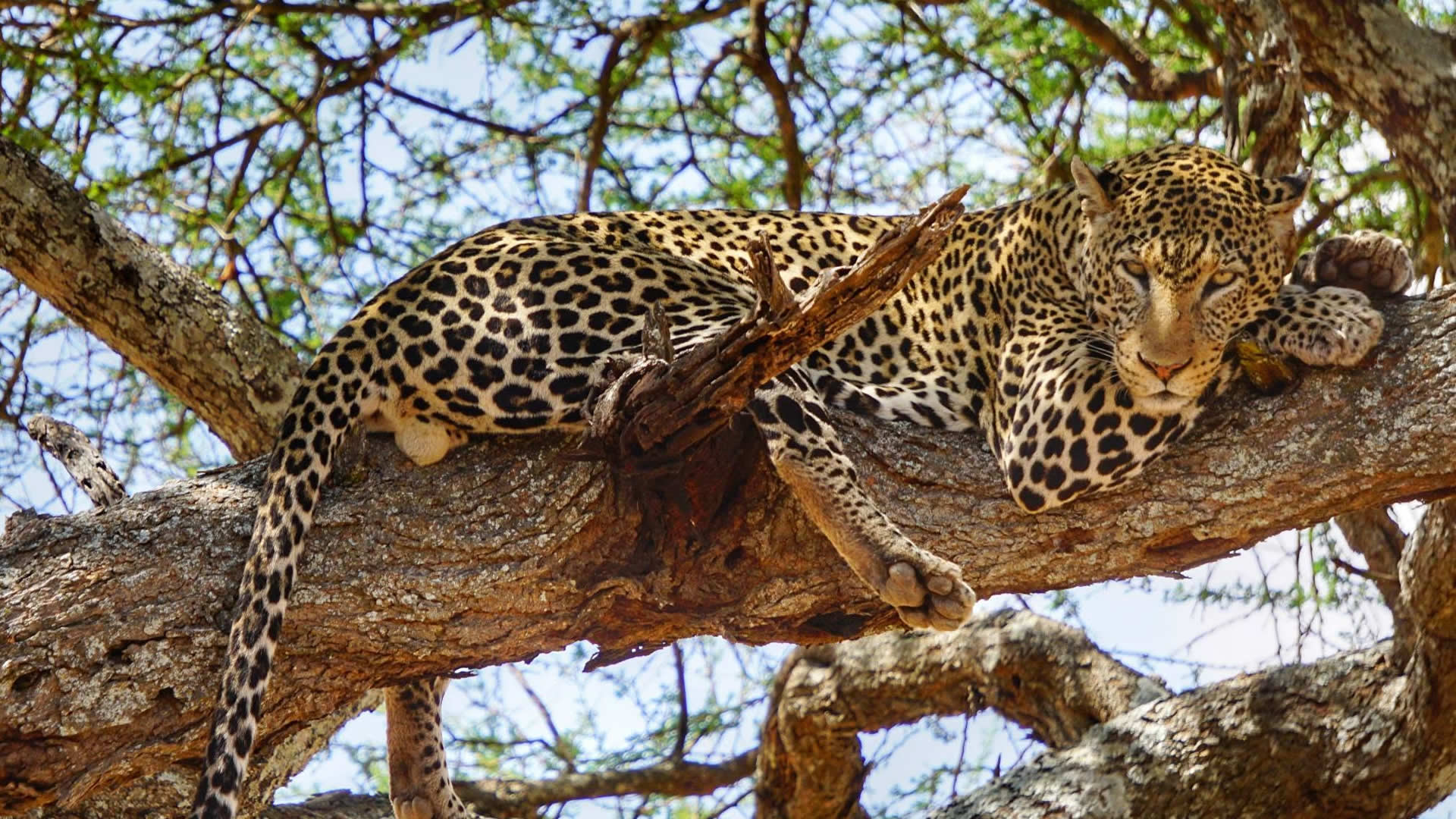

Tarangire is Tanzania's elephant heartland. During the dry season, around 3,000 elephants converge on the Tarangire River — herds of 200 or more moving through landscapes of ancient baobab trees in scenes that rank among the most dramatic wildlife spectacles in East Africa.
The park's iconic baobab trees — some over a thousand years old — create a landscape unlike any other safari destination. These towering, sculptural giants define the Tarangire skyline and provide a backdrop for wildlife photography that is instantly recognisable and endlessly photogenic.
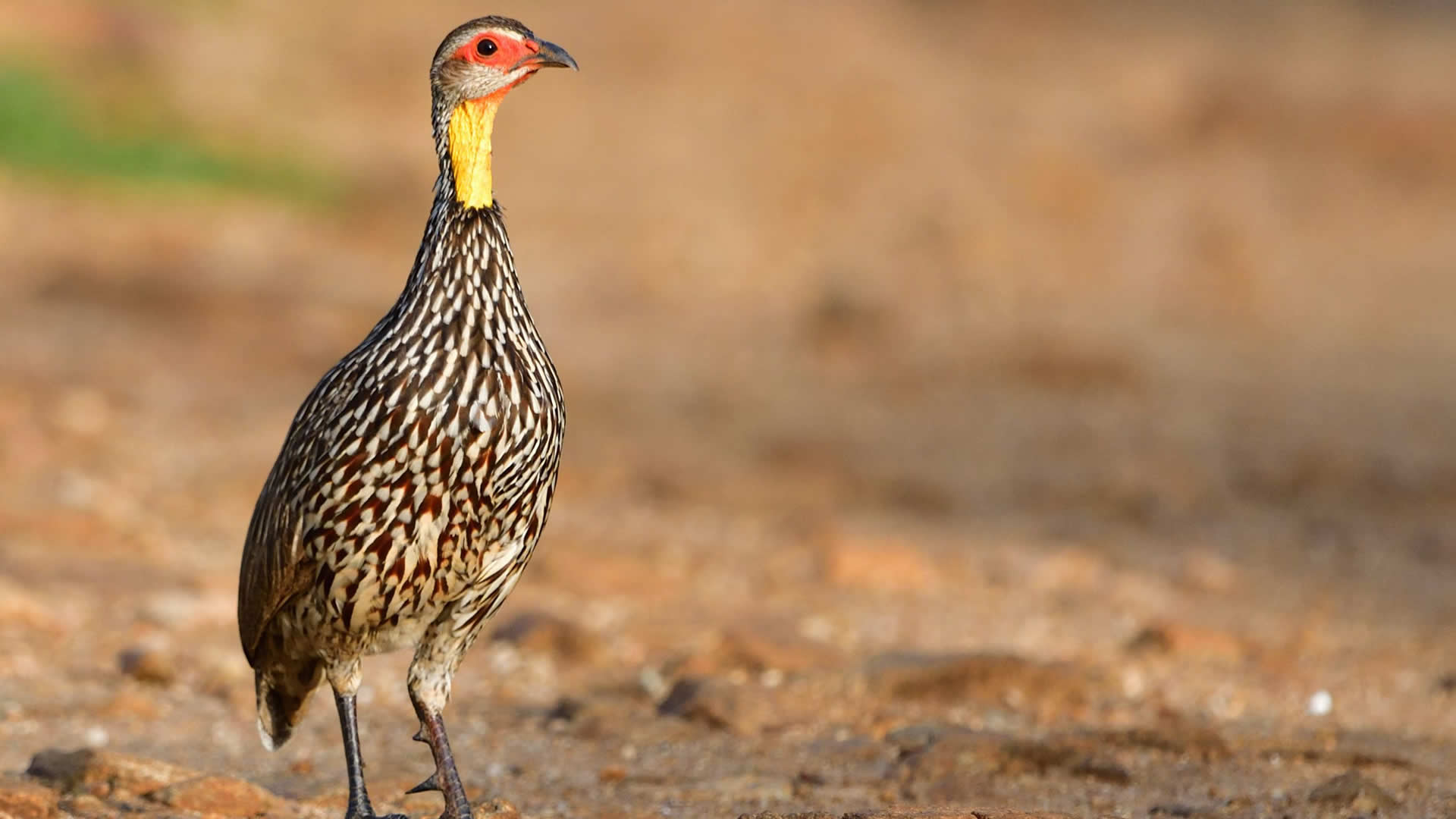
With over 550 recorded bird species, Tarangire is one of the finest birding destinations in Africa. The seasonal Silale and Larmakau swamps attract vast congregations of waterbirds — flamingos, pelicans, storks, herons — alongside rare species including the endemic ashy starling and rufous-tailed weaver.
The Tarangire River is the only permanent water source across a vast swathe of the Maasai Steppe. During the dry season it acts as a magnet, drawing elephants, buffalo, zebra, wildebeest, eland, fringe-eared oryx and lesser kudu — species rarely seen in other northern Tanzania parks — into dense, visible concentrations.
Tarangire's tree-climbing pythons are one of the park's most celebrated curiosities. Rock pythons are regularly spotted draped across branches near Python Bridge and along the river corridor — an unusual and thrilling sight that adds a unique dimension to every game drive.
Unlike the heavily visited Serengeti and Ngorongoro, Tarangire offers a quieter, more intimate safari experience with far fewer vehicles. Night drives and walking safaris are available in surrounding concessions, adding an experiential depth that the main northern circuit parks cannot easily match.
Tarangire delivers rewarding wildlife viewing year-round, but the park truly comes alive during the dry season when enormous herds concentrate along the river.
The dry months — June through October — offer the most spectacular game viewing, with elephants, buffalo and predators massing around the Tarangire River in extraordinary numbers. September and October are the peak, with the highest wildlife densities in the park.
The green season from November to May transforms the savannah into a lush, bird-rich landscape. Visitor numbers drop dramatically, lodge rates fall, and over 550 bird species — including migratory visitors from Europe and Asia — make Tarangire one of the finest birding destinations on the continent.
Tarangire is the most accessible park on the northern Tanzania safari circuit. The main gate lies just two hours' drive south of Arusha along a well-maintained tarmac road, making it an easy first or last stop on any itinerary.
Scheduled and charter flights from Arusha and Kilimanjaro International Airport reach the Kuro and Tarangire airstrips within 30–40 minutes — a convenient option for travellers combining the park with the Serengeti or Ngorongoro by air.
Tarangire connects naturally with Lake Manyara, the Ngorongoro Conservation Area and the Serengeti, forming the backbone of the classic northern Tanzania circuit — one of the greatest wildlife journeys in Africa.

If elephants and ancient landscapes move you, Tarangire is unmissable. Vast herds drift beneath thousand-year-old baobab trees along a river that draws wildlife from across the Maasai Steppe. The scale of the dry-season concentration is breathtaking — hundreds of elephants visible at once, predators patrolling the riverbank, and a bird list that rivals anywhere in Africa. The setting is raw, dramatic and utterly different from every other park on the northern circuit.

Tarangire offers experiences the busier parks cannot. Walk the bush with Maasai guides on a walking safari through the surrounding conservancies. Take a night drive to encounter nocturnal species — aardvark, porcupine, civet and honey badger — rarely seen by daylight. Visit a Maasai boma to experience traditional pastoral life first-hand. Sleep in a treehouse lodge perched among the baobabs, listening to elephants feeding in the darkness below.

Tarangire is the perfect counterpoint to the Serengeti and Ngorongoro — fewer vehicles, wilder terrain, and a completely different landscape character defined by baobabs, termite mounds and the winding river. Its proximity to Arusha makes it an easy first stop, while its unique wildlife — fringe-eared oryx, lesser kudu, ashy starling — rewards travellers who look beyond the Big Five. Combine it with Lake Manyara and the Ngorongoro Crater for the complete northern Tanzania experience.

Home to the Great Migration and one of the finest wildlife spectacles on earth, the Serengeti defines the African safari.
Explore →
Ancient baobab trees and huge elephant herds make Tarangire one of Tanzania's most atmospheric and underrated parks.
Explore →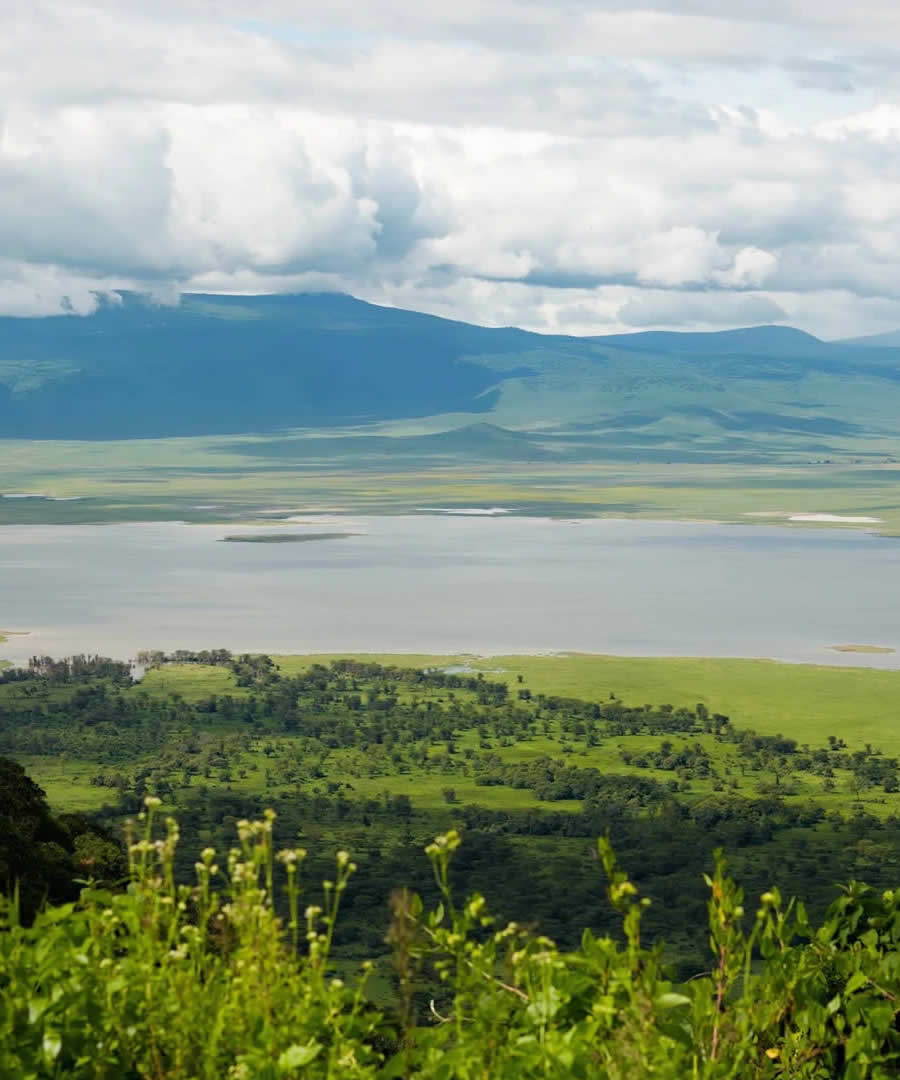
The world's largest intact caldera shelters an extraordinary density of wildlife, including the Big Five, in a breathtaking natural amphitheatre.
Explore →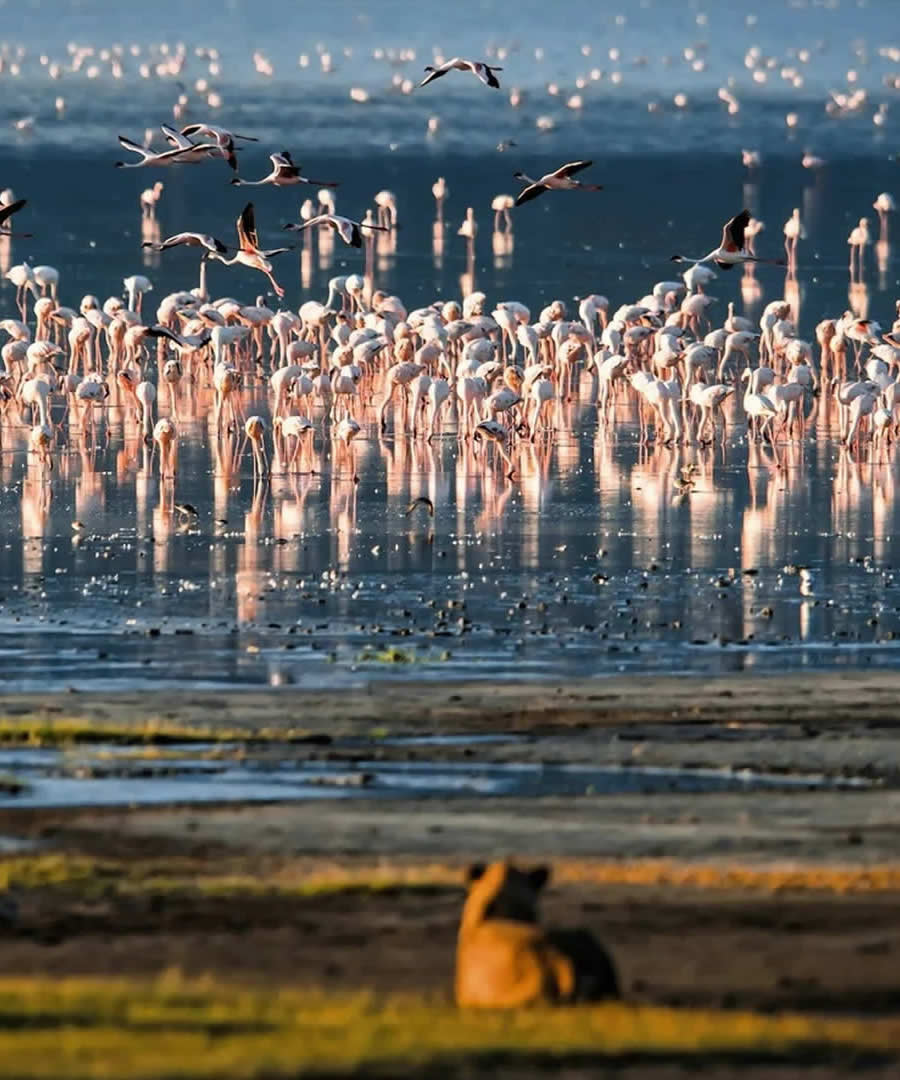
Famous for its tree-climbing lions and vast flocks of flamingos, this compact park is a jewel along the northern circuit.
Explore →
Tanzania's largest national park offers raw, uncrowded wilderness with super-prides of lion and exceptional predator sightings.
Explore →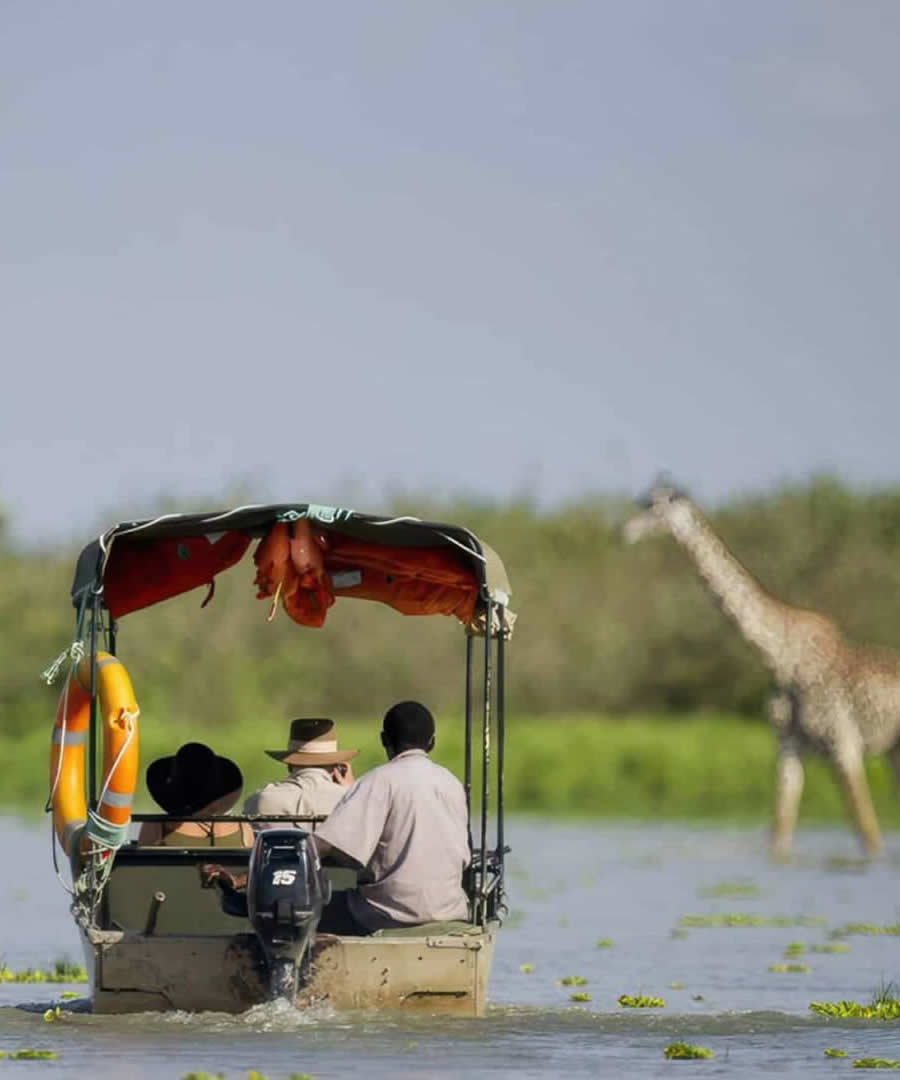
Formerly Selous Game Reserve, this vast southern wilderness is renowned for wild dogs, boat safaris on the Rufiji River and total remoteness.
Explore →
Jane Goodall's legendary chimpanzee research site on the shores of Lake Tanganyika — an intimate primate encounter like no other.
Explore →
Mahale is Africa's most exclusive chimpanzee encounter — a remote wilderness where forested mountains plunge into the crystal-clear waters of Lake Tanganyika.
Explore →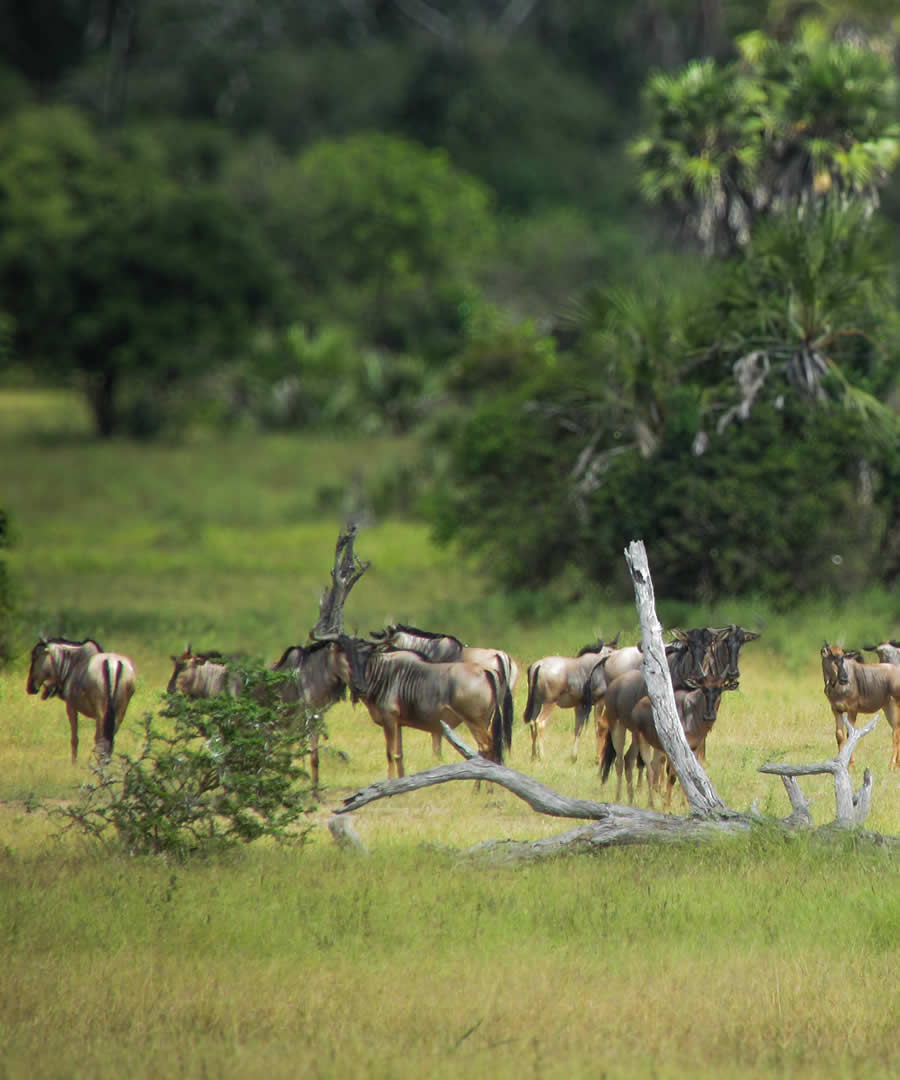
Mikumi is the southern Serengeti in miniature — a broad, open floodplain ringed by mountains where elephant, lion, buffalo, giraffe, zebra and wildebeest.
Explore →
An exclusive private concession bordering the western Serengeti, offering front-row seats to the Great Migration's river crossings.
Explore →