Meru is Kenya's great wilderness secret — 870 square kilometres of dense riverine forest, rolling savannah and palm-fringed rivers stretching north of Mount Kenya in a landscape so wild and untouched that you can drive for hours without seeing another vehicle. This is where Elsa the Lioness was raised and released, where the story of Born Free began, and where Africa still feels truly free.
Set in the eastern foothills of Mount Kenya, Meru National Park straddles the equator and forms the core of a vast 3,200 km² conservation area that includes Kora National Park, Bisanadi and Mwingi reserves. Three rivers — the Tana, Ura and Rojeweru — border and bisect the park, sustaining lush swamps, gallery forest and open grasslands that support large herds of elephant, lion, leopard, cheetah, buffalo, Grevy's zebra, reticulated giraffe and lesser kudu. Established in 1966 and famously the home of George and Joy Adamson's groundbreaking wildlife rehabilitation work, Meru also protects a successful rhino sanctuary for both black and white rhino. Over 300 bird species thrive across its varied habitats. Despite its extraordinary richness, the park receives a fraction of the visitors of more famous reserves — making every game drive an intimate, unhurried encounter with genuine wilderness.
Hover over a month to discover what awaits


Meru is the birthplace of the Born Free story. George and Joy Adamson raised and released Elsa the Lioness here in the 1950s — a pioneering act of wildlife rehabilitation that changed global conservation forever. Elsa's grave remains a place of pilgrimage within the park.
The park protects a successful rhino sanctuary where both black and white rhino are reliably seen. Combined with large elephant herds, lion, leopard, cheetah and buffalo, Meru offers all of the Big Five within one of Kenya's least-visited major parks.
Three major rivers — the Tana, Ura and Rojeweru — feed Meru's network of streams, swamps and gallery forest. Adamson's Falls, where the Tana cascades over rocky rapids, is one of the most dramatic natural features in any Kenyan national park.
Meru's northern location means it shares species with Samburu — reticulated giraffe, Grevy's zebra and lesser kudu are all present — while its higher rainfall supports habitats and vegetation far richer than the arid reserves further north.
The park's remoteness is its greatest asset. At 870 square kilometres, Meru is one of Kenya's largest parks, yet it receives a fraction of the visitors. Game drives here feel genuinely exploratory — long stretches of open wilderness without another vehicle in sight.
Over 300 bird species thrive across Meru's varied habitats. Pel's fishing owl, red-necked falcon, kingfishers, bee-eaters and sunbirds inhabit the riverine corridors, while raptors and Heuglins courser patrol the open plains. The breeding season from November to April adds migratory visitors from Europe and North Africa.
Meru is a year-round destination with warm equatorial temperatures and diverse habitats that support excellent wildlife viewing in every season.
The dry months — June through September and December to March — deliver the finest game viewing, with sparse vegetation, predictable water sources and outstanding big cat and elephant encounters.
The green season from April to May transforms the park into a lush, photogenic landscape. Visitor numbers drop to near zero, lodge rates fall, and the birdlife — bolstered by European migrants — is extraordinary. An ideal time for experienced safari-goers who relish solitude.
Charter and scheduled light-aircraft flights from Nairobi's Wilson Airport land at Mulika or Mughwango airstrips inside the park in approximately 90 minutes. Most lodges arrange airstrip transfers that double as an opening game drive.
The overland drive from Nairobi takes 5–6 hours via the Thika Superhighway and the Nyeri–Nanyuki–Meru route, passing through fertile highlands with views of Mount Kenya — an adventure in itself.
Meru connects naturally with Samburu, Lewa and the Laikipia conservancies to the west, and with Kora National Park to the south along the Tana River — forming a compelling northern Kenya safari circuit.

Meru delivers what many safari-goers dream of but rarely find — genuine wilderness without the crowds. The park is vast, wild and strikingly beautiful, with dense riverine forest giving way to open savannah, palm-fringed rivers and distant views of Mount Kenya. The wildlife is outstanding, the Born Free legacy adds emotional depth, and the feeling of exploration is real. Every game drive feels like a private discovery.

Visit Elsa's grave — a quiet, moving spot on the park's southern border where the lioness was buried and where Joy Adamson's ashes were later scattered. Walk the trails near Adamson's Falls, where the Tana River cascades over rocky rapids. Explore the cultural villages of the Ameru and Borana communities at the park gates, or simply settle into the extraordinary stillness of Elsa's Kopje at sunset.

Meru's combination of size, biodiversity and solitude makes it one of Kenya's most compelling parks for the discerning traveller. It pairs beautifully with Samburu for a northern Kenya circuit or with the Laikipia conservancies for a broader wilderness itinerary. Its equatorial position ensures warm, comfortable temperatures year-round, and the low visitor numbers mean that the wildlife — and the experience — feels entirely your own.

Kenya's most celebrated reserve — world-class big cat sightings, the Great Migration river crossings, and endless golden savannahs.
Explore →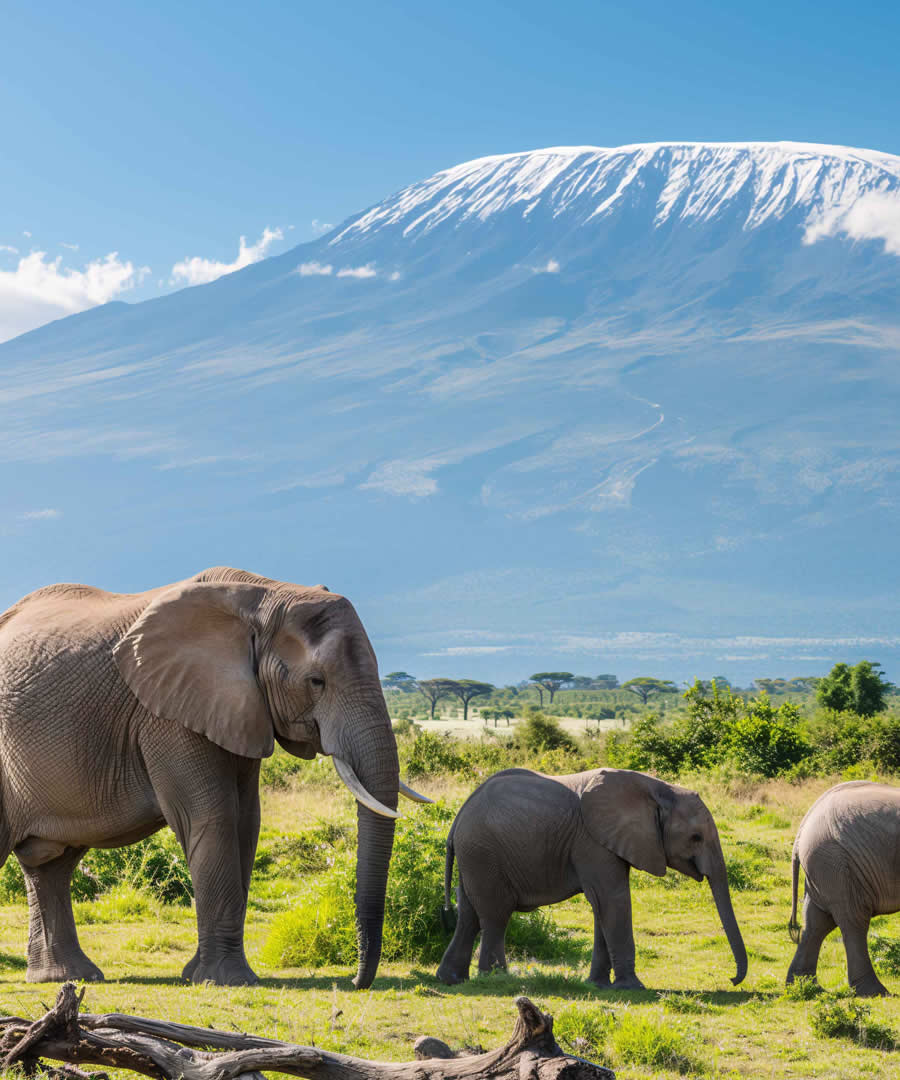
Iconic views of Mount Kilimanjaro towering above vast elephant herds make Amboseli one of Kenya's most photogenic safari destinations.
Explore →
A rugged northern frontier where the rare Samburu Special Five — reticulated giraffe, Grevy's zebra, Beisa oryx, Somali ostrich and gerenuk — roam wild.
Explore →
A Rift Valley gem famous for flamingo-fringed shores, rhino conservation, and prolific birdlife in a compact and rewarding setting.
Explore →
East Africa's largest black rhino sanctuary and home to the last two northern white rhinos on earth — a conservation stronghold.
Explore →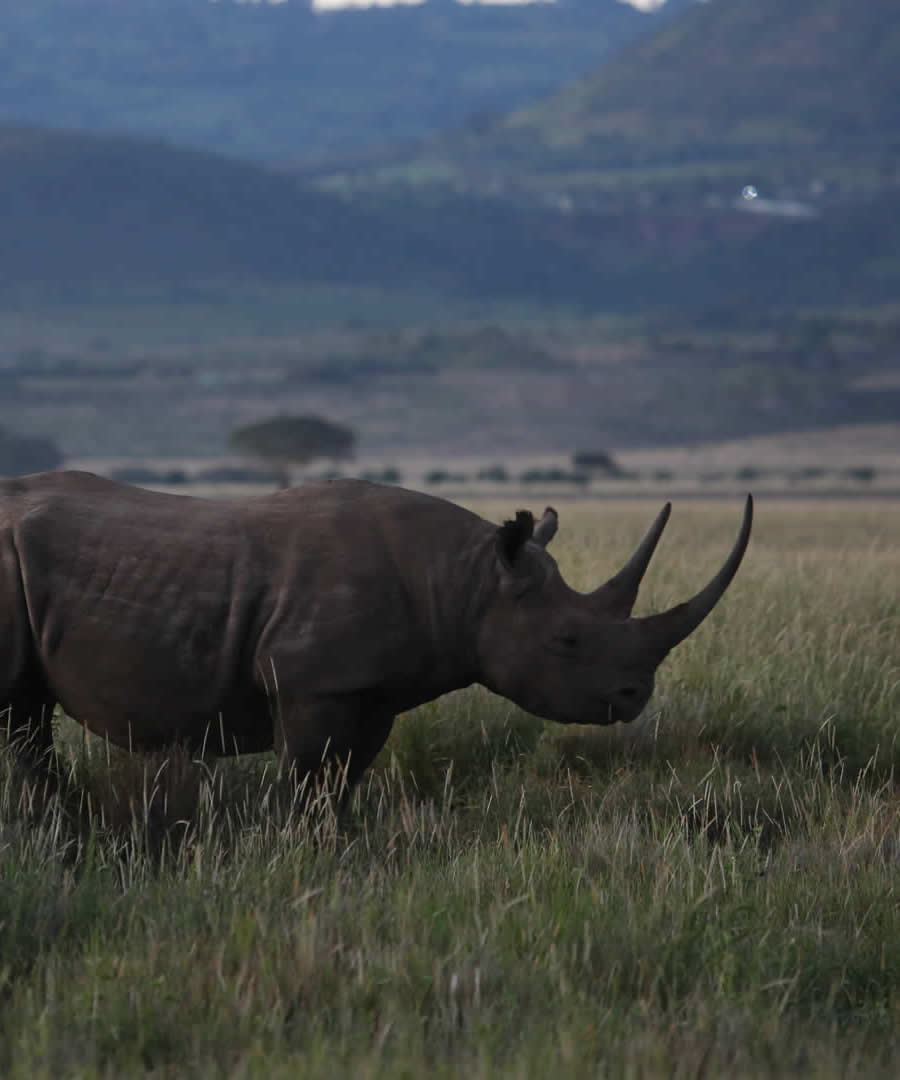
A UNESCO World Heritage Site and pioneering rhino sanctuary set against the dramatic backdrop of Mount Kenya's northern slopes.
Explore →
Vast red-earth plains, the Galana River, and herds of dust-red elephants make Tsavo East one of Kenya's wildest and most expansive parks.
Explore →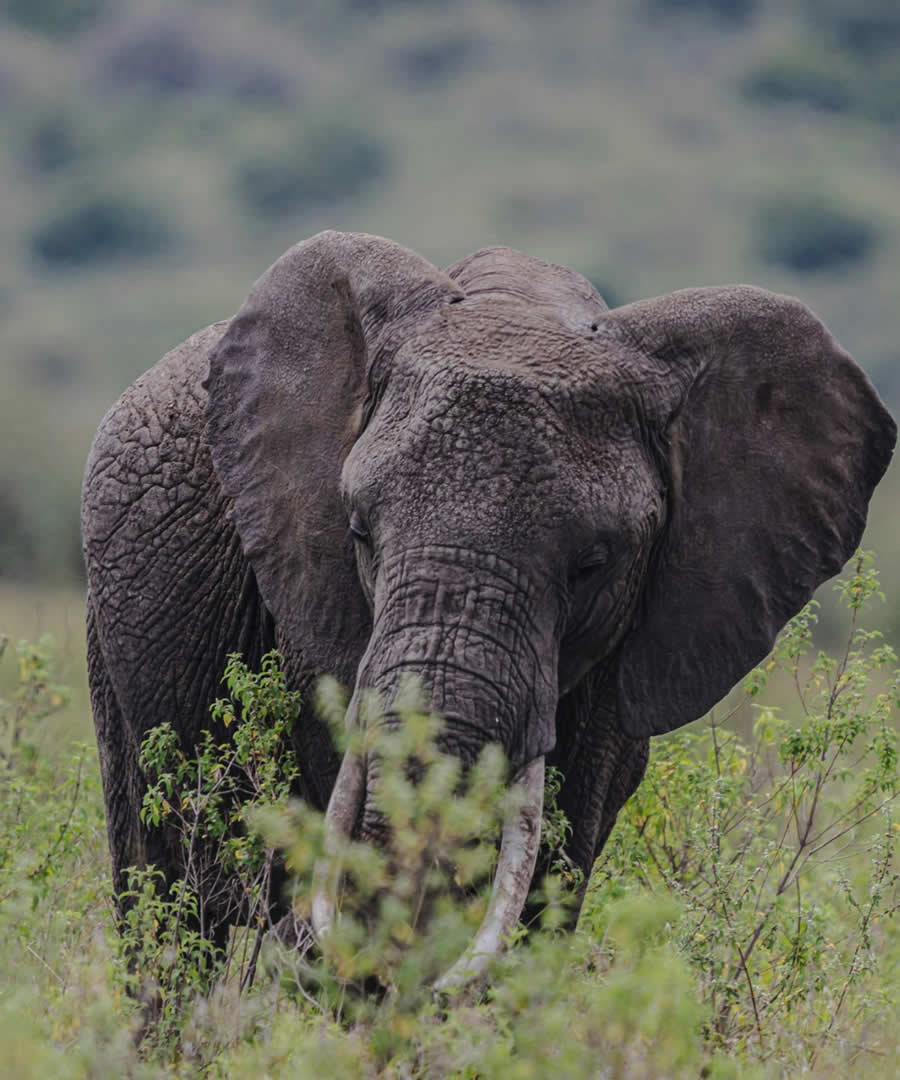
Dramatic volcanic landscapes, the crystal-clear Mzima Springs, and rich wildlife diversity in a rugged, mountainous setting.
Explore →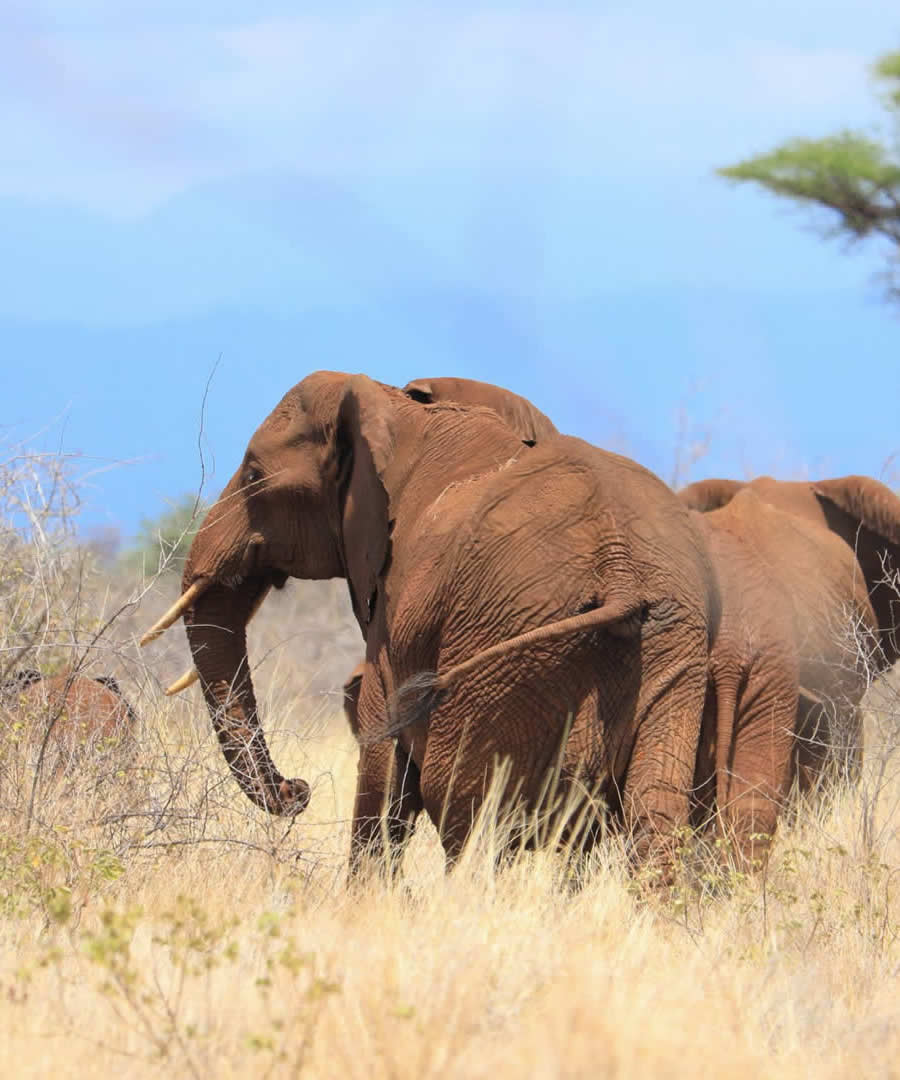
The setting of Born Free and one of Kenya's most beautiful yet least-visited parks, with lush riverine forests and diverse wildlife.
Explore →
The world's only national park within a capital city — lion, rhino, buffalo and giraffe roam freely against Nairobi's skyline.
Explore →